Top 10 Benefits of Using Transparent Biodegradable Food Film?
In today's environmentally conscious world, the demand for sustainable packaging solutions is rapidly growing. Transparent Biodegradable Food Film stands out as an innovative choice for consumers and businesses alike. This film not only enhances the visual appeal of food products but also contributes to reducing plastic waste.
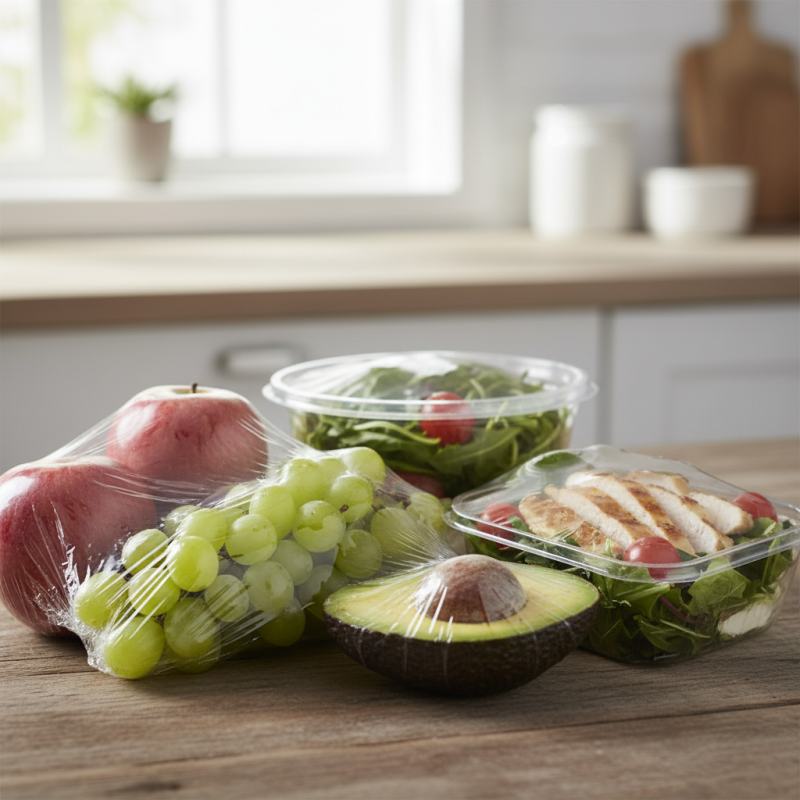
Using Transparent Biodegradable Food Film ensures that food stays fresh while being kind to the planet. Made from renewable sources, it decomposes naturally, eliminating concerns about long-term environmental impact. This film can be used for various food items, from fruits to prepared meals, offering versatility for many applications.
However, it's vital to consider the limitations as well. While offering many benefits, the performance of this film may vary based on conditions. Some users may find it less durable than traditional plastics. Despite this, the advantages of switching to Transparent Biodegradable Food Film are substantial. Embracing such innovations can lead to more sustainable choices without compromising food quality.
Benefits of Reduced Plastic Waste Through Biodegradable Food Film
The rise of biodegradable food films presents an opportunity to tackle plastic waste effectively. Traditional plastic wraps take hundreds of years to decompose. In contrast, biodegradable options break down faster, reducing landfill overflow. These films use natural materials, which harmonizes with environmental initiatives.
Adopting biodegradable films can lessen pollution. As they decompose, they create less harm to marine life. Some materials even enrich the soil. This means using biodegradable films not only helps us but also supports ecosystems. It can be challenging, though, as consumers need to adapt and educate themselves on proper disposal methods.
Shifting to biodegradable options may have its complications. Not all biodegradable films are created equal. Some may still leave microplastics behind. Education on proper usage and disposal becomes crucial. Awareness may help minimize waste without compromising convenience or effectiveness. Consumers must weigh these factors when making sustainable choices in their kitchens.
Improved Food Preservation and Shelf Life with Transparent Biodegradable Films
Transparent biodegradable food films are rapidly gaining popularity in food preservation. One of their primary advantages is enhancing shelf life while maintaining food quality. These films are often made from natural materials that break down over time, providing a sustainable alternative to traditional plastic wraps.
Using transparent biodegradable films helps in minimizing food waste. As they keep food fresher for longer, consumers can enjoy their meals without the fear of spoilage. The natural properties of these films allow for better airflow, reducing condensation and mold growth. This ensures that fruits, vegetables, and leftovers maintain their flavor and texture.
Tips: Store food at cooler temperatures. This can further enhance the effectiveness of biodegradable films. Additionally, consider wrapping food tightly to reduce exposure to air. It’s crucial to understand that not all biodegradable films are equal; checking for certifications can ensure you choose the right product.
While these films show promise, they are not foolproof. Users often find they still need to monitor the freshness of their food. It’s essential to combine the use of these films with proper storage methods. This will significantly impact overall food safety and preservation.
Biodegradable Food Films: A Sustainable Alternative to Traditional Plastic
Biodegradable food films are gaining popularity as a sustainable alternative to traditional plastic wraps. They are made from natural materials that break down easily in composting environments. This shift helps reduce plastic pollution, which is a critical issue. Many consumers are concerned about the environment, and these films align with their values.
One major benefit of biodegradable films is their ability to keep food fresh without harming the planet. They interact with moisture and preserve flavor while being environmentally friendly. This is a win-win scenario, but some users report a learning curve in terms of handling. They are not as stretchy as conventional plastics, which may frustrate new users. Understanding the best practices can enhance their usability.
Tips: Always check the packaging for proper disposal instructions. Not all biodegradable films are the same, and knowing how to compost them correctly is essential. Experiment with different types to find what works best for your needs. This approach can reduce waste while ensuring food safety. While these films are effective, users must remember they might not perform identically to traditional plastic films. Adaptation is key.
Consumer Preferences: The Rise of Eco-Friendly Packaging Solutions
Consumer preferences are evolving rapidly. A recent report from Allied Market Research reveals that the eco-friendly packaging market is set to reach $500 billion by 2027. Shoppers are increasingly favoring biodegradable solutions. This shift reflects growing concerns about environmental sustainability. Reports indicate that 72% of consumers are willing to pay extra for products with sustainable packaging.
Using transparent biodegradable food film aligns with these changes. It offers visibility of the product while minimizing waste. This type of packaging breaks down naturally over time. It presents a viable alternative to conventional plastic films. Such innovations are crucial in addressing the plastic pollution crisis.
**Tip:** Look for certifications when selecting biodegradable materials. This ensures the film is truly eco-friendly. Not all products labeled biodegradable meet rigorous standards. Additionally, involving consumers in the packaging design process can enhance satisfaction. Feedback can highlight important features like clarity and strength. Getting input helps brands align products with consumer expectations.
Top 10 Benefits of Using Transparent Biodegradable Food Film
Industry Trends: Growth Statistics for Biodegradable Film Usage in Food Packaging
The usage of biodegradable food films is on the rise, with growth statistics showing a remarkable upward trend. As environmental concerns grow, more companies are adopting these materials. According to recent data, the biodegradable film market is projected to increase significantly over the next few years. Consumers are becoming more aware of the impact of plastic waste. This awareness is driving a shift toward sustainable packaging solutions.
Despite the benefits, some challenges persist. Not all biodegradable films break down as quickly as advertised. There’s also a need for proper disposal methods to ensure effectiveness. Additionally, the production processes can sometimes be more complex compared to traditional films. These factors can lead to inconsistencies in product performance.
As the industry develops, ongoing research is essential. More studies are needed to improve the efficiency and effectiveness of biodegradable films. Understanding their lifecycle can help manufacturers enhance their offerings. Collaboration among scientists, producers, and consumers is crucial. Transparency in these processes will build trust and drive further adoption of these environmentally-friendly options.