

Choosing a supplier for Cosmetic Grade Beta Arbutin Powder takes more than comparing prices. Buyers need to examine identity, purity, batch consistency, and the records supporting each claim. A certificate of analysis is useful, but its test methods and batch number matter too. So does traceability.
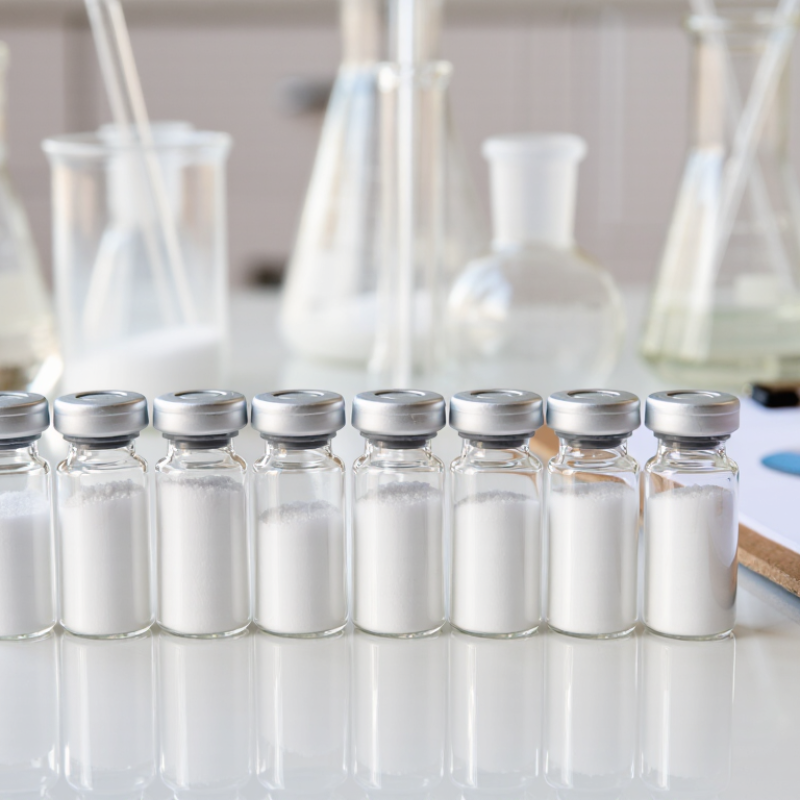
Cosmetic chemist Michelle Wong is known for evidence-focused explanations of skincare ingredients. A practical principle consistent with her approach is: “Assess the finished formula, not just the ingredient label.” Beta arbutin’s performance depends on formulation, storage, and use conditions. A fine white powder in a sample vial tells only part of the story. Ask suppliers about analytical methods, stability data, packaging, and technical support. Request recent documentation for the specific batch, not a generic product sheet.
The seven suppliers in this guide are starting points for comparison, not automatic endorsements. Check their quality systems, sample availability, lead times, and ability to answer detailed questions. Small differences in documentation can matter. Some buyers may also need to assess whether a supplier can support their intended market and formulation process. That work takes time. It is easy to overlook a vague test method when a quotation looks attractive, and that deserves a second look.
Beta-arbutin is a water-soluble cosmetic ingredient used in products designed to improve the appearance of uneven skin tone. It can reduce tyrosinase activity, an enzyme involved in melanin production. That does not make it an instant fix. Results vary with the formula, concentration, and routine, and claims should stay realistic. In powder form, it needs careful handling and even dispersion so the finished product has a consistent texture.
The European Commission’s Scientific Committee on Consumer Safety (SCCS) assessed beta-arbutin in a 2015 safety opinion. The assessment considered use up to 7% in face creams and 0.5% in body lotions, while emphasizing that hydroquinone traces should be kept as low as technically possible. These figures describe the conditions assessed; they are not a universal formula recommendation. A practical formulation review should also check ingredient quality, stability, and compatibility with the product’s pH. Still, one formula will not suit every complexion. Product copy often forgets that.
Tips: Ask for a recent certificate of analysis and impurity data. Test a small batch for clumping, color change, and texture before scaling up.
Beta-arbutin is a water-soluble cosmetic ingredient commonly used in products formulated to improve the appearance of uneven skin tone. The table compares seven supplier channels and explains what buyers should check before purchasing. These are sourcing categories, not named or ranked companies.
| Supplier Channel | Best Suited For | Potential Advantages | What to Verify Before Buying | Typical Cosmetic Use |
|---|---|---|---|---|
| Direct ingredient manufacturer | Brands and formulators buying regular production quantities | May offer batch-specific documentation, technical support, and larger-volume supply options | Confirm the material is beta-arbutin, review the specification and certificate of analysis, and ask about manufacturing controls, traceability, and minimum order quantity | Used as a water-soluble active ingredient in serums, creams, and lotions formulated for the appearance of uneven skin tone |
| Regional cosmetic ingredient distributor | Buyers who need local delivery or smaller commercial quantities | Local inventory and regional logistics may make sampling and replenishment more convenient | Check the original manufacturer, country of origin, lot number, storage conditions, and whether documentation corresponds to the supplied batch | Suitable for incorporation into water-based cosmetic formulations, subject to the supplier’s technical guidance |
| Specialty cosmetic ingredient distributor | Formulators seeking ingredient-specific technical assistance | May provide formulation guidance and information on compatibility with other cosmetic ingredients | Request a current technical data sheet, safety data sheet, certificate of analysis, and recommended handling instructions | Often considered for brightening-oriented product concepts; final performance depends on the complete formula |
| Laboratory-scale raw material supplier | Research, development, and early-stage formulation work | Smaller pack sizes can help with bench trials before a larger purchase | Confirm cosmetic suitability, purity specification, packaging integrity, expiry or retest date, and whether the material is intended for cosmetic formulation | Useful for assessing solubility, processing, and formula compatibility during development |
| Contract manufacturer with ingredient sourcing | Brands outsourcing formulation development and production | Can coordinate ingredient procurement with formula development and manufacturing | Clarify the ingredient grade, approved specification, batch traceability, change-control process, and access to quality documents | May be incorporated into a finished serum, cream, or lotion according to the agreed product specification |
| Qualified chemical importer | Buyers sourcing through established import and distribution networks | May support customs, documentation, and delivery across borders | Verify supply-chain traceability, country-of-origin records, transport and storage conditions, and applicable local requirements | Use in cosmetics only when the supplied material and finished product meet applicable safety and regulatory requirements |
| Business-to-business ingredient marketplace | Buyers comparing multiple offers or locating potential suppliers | Can make it easier to compare stated pack sizes, lead times, and supplier documentation availability | Independently verify the seller, manufacturer, batch documents, product identity, sample quality, and payment and shipment terms | Evaluate a representative sample and supporting documents before approving the ingredient for production |
Buyer note: Supplier channels are not quality rankings. Confirm identity, purity, batch consistency, storage requirements, and documentation before purchase. Formulation level, processing conditions, and finished-product claims should be determined through appropriate safety assessment, stability testing, and review of the regulations applicable to the target market.
Cosmetic-grade beta-arbutin powder should be assessed through documented identity, assay, and impurity controls. A certificate of analysis should match the supplied lot, not just a typical product specification. Check the test methods and acceptance limits for each result. Clear documentation matters.
Look closely at appearance, moisture, and particle size, since these can affect handling and formulation consistency. The powder should arrive in a sealed, clearly labeled container with lot identification and storage guidance. Ask about residual solvents and relevant trace impurities, and confirm that testing reflects the intended cosmetic use. Small details count.
Supplier records should support traceability from raw materials through finished batches. Stability information is useful, but it should describe the tested conditions and packaging; a broad claim alone tells little. A polished certificate is not the whole story. Communication matters, too. Ask how deviations are investigated and whether changes in manufacturing are disclosed. No specification can guarantee identical performance in every formula. That part still needs careful evaluation.
The chart shows the theoretical elemental mass composition of beta-arbutin (C₁₂H₁₆O₇; molecular weight 272.25 g/mol), calculated from its chemical formula.
Quality note: Theoretical composition is not a batch purity result. When assessing suppliers, review batch-specific certificates of analysis and verify identity, assay, moisture, impurity results, and compliance with applicable cosmetic requirements.
A cosmetic-grade beta-arbutin supplier should provide a batch-specific certificate of analysis, not a generic specification sheet. Check the assay method, identity, moisture, and hydroquinone limits. Ask for chromatograms and the laboratory’s accreditation scope. A high purity number means little if the test method or detection limit is unclear. Request a retained sample and compare it with the delivered powder. Small differences matter.
Quality systems help, but they are not proof of ingredient performance. ISO’s 2022 survey counted more than 1.2 million valid ISO 9001 certificates worldwide. That broad figure shows how common quality management certification is; it does not verify any supplier’s beta-arbutin purity. Review audit dates, change-control records, and traceability from raw material to finished lot. Ask how the supplier handles failed tests. The answer should be specific.
Regulatory assessments also need careful reading. The European Commission’s Scientific Committee on Consumer Safety assessed alpha-arbutin separately, including a 2% concentration for face creams and 0.5% for body lotions. Those figures are not beta-arbutin specifications. Confirm the exact ingredient, intended use, and supporting safety documents instead of transferring data between related compounds. Check storage conditions, too. Powder can cake after exposure to humidity, even when the paperwork looks flawless. A supplier may still have gaps; record them and decide whether the evidence is enough.
Seven notable supplier profiles can help buyers compare cosmetic-grade beta-arbutin powder without relying on marketing claims. These include active-ingredient manufacturers, specialist cosmetic distributors, regional raw-material suppliers, small-batch producers, custom-blending partners, export-focused suppliers, and companies offering technical support. Each serves a different need. A distributor may offer flexible order sizes, while a manufacturer may provide clearer batch-level production records.
The label alone proves little. Request a recent certificate of analysis, identity and assay methods, impurity limits, and storage guidance. Check whether the documentation matches the lot being quoted. Useful details include a sealed, light-protective inner bag, a legible batch code, and guidance for keeping the powder dry. Ask how the supplier handles change notifications and retains samples. Small details matter.
A comparison should also consider response quality and consistency across repeat orders. A polished specification sheet is not the same as dependable supply. One limitation of a checklist is that it can miss practical issues, such as slow replies when a document needs clarification. Request samples where available, then assess handling and documentation before placing a larger order. No single profile is automatically best; the right fit depends on formulation needs, order volume, and the evidence the supplier can provide.
Before choosing among cosmetic-grade beta arbutin powder suppliers, check whether their claims match documents for the exact lot you may buy. Request a batch-specific certificate of analysis, not a generic sample. It should identify beta arbutin, state the assay result, and name the test method. Check the lot number and report date against the quotation or sample label. A high purity figure means little if the method is unclear. Paper is not proof.
Ask for the safety data sheet, product specification, and storage guidance. Compare stated limits for moisture, residual solvents, and relevant contaminants with your own product requirements. If a supplier claims independent testing, ask which laboratory tested the batch and whether the report can be verified. Then request a small sample and compare its documentation with the production lot before placing a larger order. Keep the label and records. A sample can look consistent yet differ in performance, so appearance alone is a weak check. Ask how the powder is protected from heat and moisture during storage and shipping. Some answers may remain incomplete; record that uncertainty rather than treating a confident sales reply as evidence. Ask for the lot.
| Cookie | Duration | Description |
|---|---|---|
| cookielawinfo-checkbox-analytics | 11 months | This cookie is set by GDPR Cookie Consent plugin. The cookie is used to store the user consent for the cookies in the category "Analytics". |
| cookielawinfo-checkbox-functional | 11 months | The cookie is set by GDPR cookie consent to record the user consent for the cookies in the category "Functional". |
| cookielawinfo-checkbox-necessary | 11 months | This cookie is set by GDPR Cookie Consent plugin. The cookies is used to store the user consent for the cookies in the category "Necessary". |
| cookielawinfo-checkbox-others | 11 months | This cookie is set by GDPR Cookie Consent plugin. The cookie is used to store the user consent for the cookies in the category "Other. |
| cookielawinfo-checkbox-performance | 11 months | This cookie is set by GDPR Cookie Consent plugin. The cookie is used to store the user consent for the cookies in the category "Performance". |
| viewed_cookie_policy | 11 months | The cookie is set by the GDPR Cookie Consent plugin and is used to store whether or not user has consented to the use of cookies. It does not store any personal data. |
| Key Principles | Criteria |
| Environment |
|
| CSR Policies and Reporting |
|
| Social Investment Programmes |
|
| Key Principles | Criteria |
| Quality of Product |
|
| Quality of Factory |
|
| Quality of Management |
|
| Key Principles | Criteria |
| Monitoring and Control |
|
| Management |
|
| Key Principles | Criteria |
| Global Presence |
|
| Logistical Assets |
|
| Terminal Handling |
|
| Key Principles | Criteria |
|
Tapping and Field Latex |
|
|
Concentrated Latex Processing, Handling & Storage and Shipping |
|
|
Laboratory & Chemical Handling |
|
|
EHS Management System |
|
| Key Principles | Criteria |
|
Monitoring and Mitigating Key Impacts |
|
|
Social Responsibility |
|
|
Social Investment |
|
| Key Principles | Criteria |
|
Security Controls |
|
|
Security Certification |
|
| Key Principles | Criteria |
|
Quality of Raw Material |
|
|
Quality of Process |
|
|
Quality of Management |
|
| Key Principles | Criteria |
| Certified Team |
|
| Technical Expertise |
|
| Key Principles | Criteria |
| International Standards and Certification |
|
| Customised Products |
|
| Testing |
|
| Key Principles | Criteria |
| Security Controls |
|
| Security Certification |
|