

High Purity Humate can look simple on a product sheet. In practice, grades differ in humic content, solubility, moisture, and test methods. A dark powder in a sealed sample jar tells only part of the story. Buyers need evidence that matches the intended use. A clear assay, recent batch certificate, and consistent specifications matter more than a confident sales claim.
Humic-substances researcher Richard T. Lamar’s work supports a useful sourcing principle. In paraphrase: “Judge humate by verified composition and measured performance, not by the label alone.” This is a paraphrase, not a direct quotation. That distinction matters. Reliable suppliers should explain their test methods, identify the product’s form, and answer questions about batch variation. Ask for representative samples and documentation before comparing quotations. Check packaging, storage guidance, production capacity, and export experience, too.
This guide reviews seven suppliers for global buyers. It focuses on product evidence, manufacturing consistency, communication, and practical delivery details. The strongest choice may depend on your application, required grade, and destination. No supplier is perfect. Public product information can also be incomplete, so confirm critical specifications directly. A low price can be attractive, but only when the tested product and delivered product are genuinely comparable.
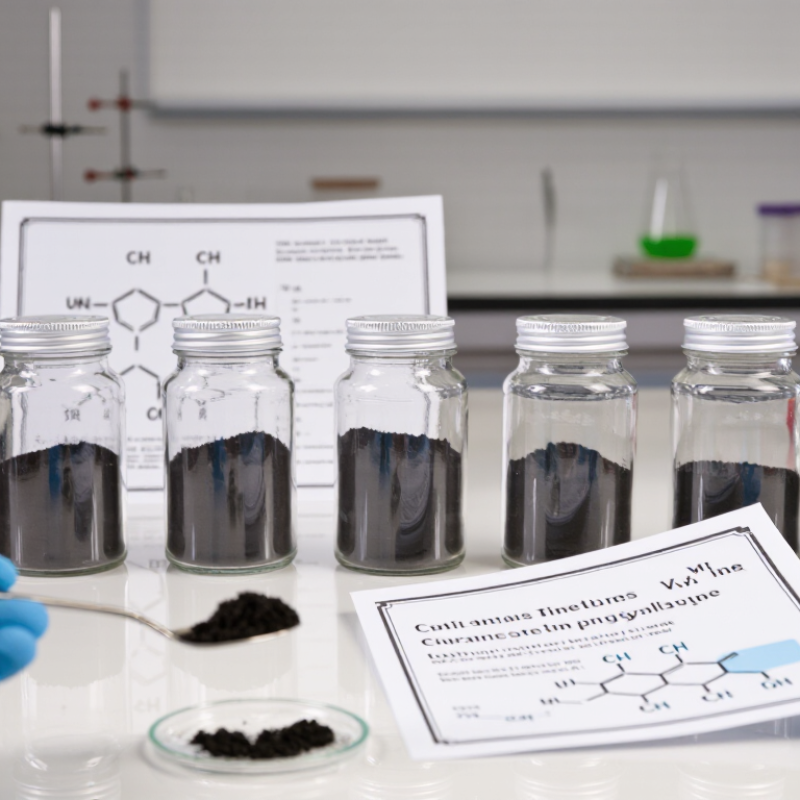
High-purity humates are concentrated materials rich in humic substances formed during the breakdown of ancient organic matter. They are commonly used in agriculture as soil amendments and as components of nutrient-management programs. Their value depends on more than a purity claim. Solubility, humic and fulvic acid content, moisture, ash, and trace-metal results all help describe what is actually in the product. Ask for a current certificate of analysis and check how each figure was measured. “High purity” does not always mean the same thing across suppliers.
In fields, humate products may support soil structure and help nutrients remain available to plant roots. Results vary with soil type, crop, application rate, and irrigation. A sandy plot under hot conditions may respond differently from heavy clay after steady rain. Small field trials can reveal more than broad promises. Purity is not performance. Buyers should also consider whether the product dissolves in their equipment and suits their intended application. One detail is easy to overlook: a technically clean material may still be a poor fit for a particular soil. Compare verified test data with local agronomic advice, and treat dramatic yield claims cautiously.

A reliable humate supplier should provide specifications that match your application, not just advertise “high purity.” Check the stated humic and fulvic acid content, moisture level, ash, pH, and solubility. Ask how each value is measured and whether the results come from a recent batch. That matters. Two products with similar labels may behave differently in a tank or soil blend.
Request a batch-specific certificate of analysis and confirm that it identifies the test methods and sample date. Where possible, compare the supplier’s results with testing from an independent laboratory. Review contaminant data against the requirements of your intended market and use. A neat certificate is not the whole story. Observe a product sample in water: note sediment, dissolution time, and odor, then record what you see.
Consistency across shipments is equally important. Ask whether the supplier can trace raw material sources and explain changes in color, granule size, or analysis between lots. Clarify packaging, storage conditions, lead times, and how quality complaints are investigated. A small trial can reveal handling issues before a larger purchase, though one trial cannot prove performance across every soil or crop. No checklist removes all uncertainty. Supplier claims still need practical verification.
A practical, non-branded shortlist of seven supplier profiles to evaluate. Compare documented product specifications and service capabilities rather than relying on a “high purity” claim alone.
| Supplier Profile | Common Product Offering | Purity and Quality Checks | Documentation to Request | Best Fit for Buyers | Key Evaluation Point |
|---|---|---|---|---|---|
| Source-owning leonardite processor | Leonardite-derived humic acid, potassium humate, and soluble humate powders or granules. | Request humic-acid assay, moisture, ash, solubility, and heavy-metal results. Confirm the assay basis and method. | Batch-specific certificate of analysis (COA), safety data sheet (SDS), product specification, and source traceability. | Buyers seeking direct access to raw-material origin and fewer processing steps. | Check whether the supplier controls the deposit and processing or merely resells material. |
| Specialist extraction and purification manufacturer | Refined humic or fulvic fractions, including liquid concentrates and water-soluble powders. | Check the stated fraction content, insoluble matter, moisture, ash, pH, and contaminant limits against the intended use. | COA with test methods, process-quality documentation, SDS, and applicable regulatory declarations. | Formulators who need consistent solubility, defined specifications, or a narrower product fraction. | Ask how extraction and purification affect yield, consistency, and batch-to-batch variation. |
| Water-soluble potassium humate producer | Potassium humate flakes, granules, and powders for agricultural or formulation use. | Verify solubility under stated conditions, potassium content, humic-acid assay, pH, moisture, and insoluble residue. | Batch COA, dissolution instructions, product specification, SDS, and packaging details. | Buyers needing a potassium-based product for blending or water-based applications. | Compare solubility tests under the same water quality, temperature, concentration, and test method. |
| Fulvic-acid-focused manufacturer | Fulvic-rich liquids or powders, sometimes offered alongside humic-acid products. | Request the method used to determine fulvic and humic fractions, plus moisture, ash, pH, and relevant contaminant results. | COA that identifies analytical methods, SDS, specification sheet, and evidence supporting any composition claims. | Buyers whose formulation requires a specified fulvic fraction or a highly soluble product. | Do not compare fulvic-acid percentages unless the test methods and reporting basis are comparable. |
| Regional manufacturer with export experience | Bulk humate powders, granules, or liquids tailored to common regional agricultural specifications. | Assess the same core parameters: active fractions, moisture, ash, solubility, pH, and contaminants. | Batch COA, SDS, country-of-origin details, export documents, and destination-market compliance information. | Importers seeking established export processes and practical regional logistics. | Confirm product registration or import requirements in the destination country; requirements vary by market and intended use. |
| Custom-formulation and private-label supplier | Humate blends, granules, liquids, or branded packaging made to an agreed specification. | Set acceptance limits for active fractions, moisture, particle size, solubility, and contaminants before production. | Approved specification, pre-shipment or batch COA, SDS, packaging artwork approval, and change-control terms. | Distributors and product developers needing a specific format, blend, or packaging configuration. | Agree on sampling, independent testing, rejected-batch handling, and formulation-change notification. |
| Distributor with qualified multi-source supply | Multiple humate grades sourced from one or more manufacturers, often with consolidated shipping options. | Check that each lot is traceable to its actual manufacturer and that COAs correspond to the shipped batch. | Manufacturer identity on confidential or compliance documents where required, batch COA, SDS, and traceability records. | Buyers needing product options, smaller order consolidation, or local inventory support. | Evaluate source transparency, stock controls, storage conditions, and the distributor’s process for handling quality issues. |
Important: These are supplier profiles, not named companies or verified rankings. “High purity” has no single universal meaning across humate products; assay results can depend on the analytical method and reporting basis. Obtain a recent, batch-specific COA and compare products using the same methods, specifications, and intended-use requirements.
High-purity humate suppliers differ in how they source, process, and document their products. A mine-integrated producer may offer clearer information about raw-material origin and batch traceability. An extraction specialist may focus on consistent concentration and controlled processing. Ask how “purity” is defined; the term alone is not a complete specification.
An agricultural-grade granule supplier can suit buyers who need easy handling and measured application. A water-soluble concentrate supplier should provide dissolution guidance and details about pH and sediment. A laboratory-led exporter may supply batch certificates and contaminant results. Check that the test methods and dates are stated. Details matter. A regional distributor may offer shorter lead times and local storage, but confirm who handles technical questions and product documentation.
A custom-formulation producer can adjust particle size, concentration, or packaging for a particular production line. Request a representative sample before placing a large order. A neat label can still leave questions. Compare certificates of analysis, batch consistency, solubility, and shipping conditions across all seven supplier profiles. Some buyers overvalue a single purity figure; that deserves a second look. The best fit depends on the intended use, required documentation, and ability to verify each claim.
The chart shows illustrative buyer-priority scores, not measured or verified ratings of suppliers. Compare supplier profiles using current certificates of analysis, traceability records, contaminant testing, and shipment documentation.
Choosing a high-purity humate supplier takes more than comparing headline percentages. Ask how purity is measured and whether the test covers humic and fulvic fractions. A recent certificate of analysis should identify the batch, methods, and key impurities. Details matter. Compare like with like: extraction methods and reporting units can make similar products appear different.
Certifications can support confidence, but check their scope and issuing body. A quality-system certificate does not automatically verify every product claim. Request batch traceability, safety data, and independent test results where available. Look for clear limits on moisture, ash, and unwanted elements. I would not treat a polished brochure as proof; even careful buyers can overlook differences between assays. One limitation: lab results describe a sample, not every future shipment.
Global reach shows in practical details. Can the supplier provide consistent specifications, export documents, and packaging suited to long-distance storage? Ask about lead times, minimum orders, and how complaints or damaged goods are handled. A spreadsheet helps, but it cannot replace a conversation about how each batch behaves in water. Ask for evidence. Then compare responsiveness as well as price.
A suitable high-purity humate supplier should match the product to its intended use, not just quote a high humic-acid percentage. For fertigation, check water solubility and filtration behavior. A jar test with your irrigation water can reveal sediment before a full order arrives. For dry soil application, particle size, moisture, and handling matter more. Small details affect dosing.
Ask for a batch-specific certificate of analysis showing humic content, ash, moisture, pH, and relevant contaminant results. Confirm how each value is measured; test methods can differ between suppliers. Request a sample from the same production grade you plan to buy. Then compare its color, dissolution, and residue under your actual process conditions. Short trial, useful evidence.
Global buyers also need dependable packaging, lead times, and clear export documentation. Check whether the supplier can maintain specifications across repeat batches, and ask how deviations are handled. A low price may not help if the material clogs emitters or arrives inconsistently. No datasheet answers everything. I would still test a production sample, even when the paperwork looks complete; that step takes time, but skipping it can cost more.
| Cookie | Duration | Description |
|---|---|---|
| cookielawinfo-checkbox-analytics | 11 months | This cookie is set by GDPR Cookie Consent plugin. The cookie is used to store the user consent for the cookies in the category "Analytics". |
| cookielawinfo-checkbox-functional | 11 months | The cookie is set by GDPR cookie consent to record the user consent for the cookies in the category "Functional". |
| cookielawinfo-checkbox-necessary | 11 months | This cookie is set by GDPR Cookie Consent plugin. The cookies is used to store the user consent for the cookies in the category "Necessary". |
| cookielawinfo-checkbox-others | 11 months | This cookie is set by GDPR Cookie Consent plugin. The cookie is used to store the user consent for the cookies in the category "Other. |
| cookielawinfo-checkbox-performance | 11 months | This cookie is set by GDPR Cookie Consent plugin. The cookie is used to store the user consent for the cookies in the category "Performance". |
| viewed_cookie_policy | 11 months | The cookie is set by the GDPR Cookie Consent plugin and is used to store whether or not user has consented to the use of cookies. It does not store any personal data. |
| Key Principles | Criteria |
| Environment |
|
| CSR Policies and Reporting |
|
| Social Investment Programmes |
|
| Key Principles | Criteria |
| Quality of Product |
|
| Quality of Factory |
|
| Quality of Management |
|
| Key Principles | Criteria |
| Monitoring and Control |
|
| Management |
|
| Key Principles | Criteria |
| Global Presence |
|
| Logistical Assets |
|
| Terminal Handling |
|
| Key Principles | Criteria |
|
Tapping and Field Latex |
|
|
Concentrated Latex Processing, Handling & Storage and Shipping |
|
|
Laboratory & Chemical Handling |
|
|
EHS Management System |
|
| Key Principles | Criteria |
|
Monitoring and Mitigating Key Impacts |
|
|
Social Responsibility |
|
|
Social Investment |
|
| Key Principles | Criteria |
|
Security Controls |
|
|
Security Certification |
|
| Key Principles | Criteria |
|
Quality of Raw Material |
|
|
Quality of Process |
|
|
Quality of Management |
|
| Key Principles | Criteria |
| Certified Team |
|
| Technical Expertise |
|
| Key Principles | Criteria |
| International Standards and Certification |
|
| Customised Products |
|
| Testing |
|
| Key Principles | Criteria |
| Security Controls |
|
| Security Certification |
|