What is Butterfly Valve Seal and How Does It Work?
The Butterfly Valve Seal plays a crucial role in the efficiency of fluid control systems. This component ensures a tight seal while regulating the flow of liquids or gases. Its design is simple yet effective, contributing to the valve's overall functionality.
Understanding how the Butterfly Valve Seal works is essential for engineers and technicians. This knowledge helps in selecting the right seal for specific applications. A well-chosen Butterfly Valve Seal prevents leaks, reducing maintenance costs and enhancing system reliability.
However, not all seals perform equally. Factors such as material quality and environmental conditions can influence their effectiveness. Despite advancements in seal technology, issues like wear and tear still arise. Identifying these challenges is crucial for maintaining optimal valve performance. A deep dive into the workings of the Butterfly Valve Seal reveals its importance in industrial applications.
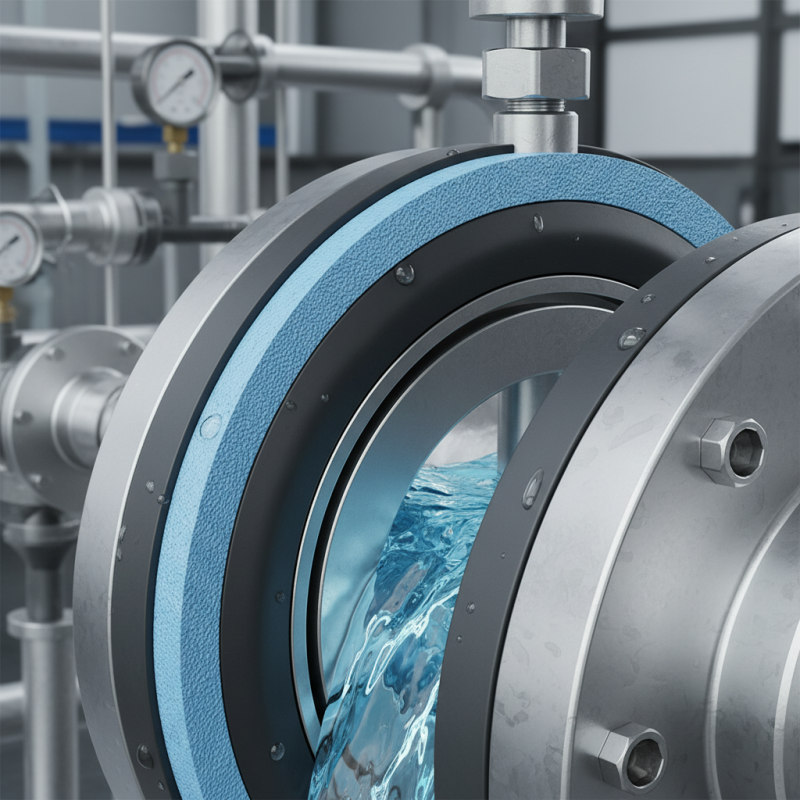
Definition of Butterfly Valve Seal and Its Importance in Valves
A butterfly valve seal is a crucial component within the valve's structure. It prevents leaks and maintains pressure. The seal fits tightly around the disc, creating a barrier against the fluid flow. Ensuring a proper seal is vital for system efficiency. Any gap can lead to loss of pressure and fluid.
The importance of the butterfly valve seal cannot be underestimated. A well-functioning seal enhances reliability in various industrial applications. It allows for better control over fluids, whether gas or liquid. However, seals can deteriorate over time due to wear, temperature changes, or chemical exposure. This decay can disrupt operations and lead to costly repairs.
Regular inspection and maintenance of butterfly valve seals are essential. Users should be aware that a compromised seal might not always be obvious. Small leaks can escalate into bigger problems. It is crucial to monitor valve performance closely. Addressing seal issues swiftly can prevent major operational failures.
Components of Butterfly Valve Seal: Materials and Design Features
Butterfly valve seals are critical for ensuring proper functioning and efficiency in various fluid control applications. The design and material selection are pivotal for maintaining a reliable seal. Common materials include EPDM (Ethylene Propylene Diene Monomer) and PTFE (Polytetrafluoroethylene), which offer excellent chemical resistance. According to industry reports, EPDM can withstand temperatures up to 150°C, making it suitable for hot water services.
The construction of butterfly valve seals focuses on two main features: flexibility and durability. A well-designed seal should conform to the disc shape without compromising sealing performance. According to a 2022 study by the International Journal of Valves, improper sealing can lead to energy losses of up to 30% in industrial systems. This indicates a significant economic impact and emphasizes the need for optimized designs.
**Tips:** Choose seals based on application-specific factors. Consider temperature, pressure, and fluid type to ensure compatibility. Regular inspections can prevent unforeseen leaks or failures. Remember, maintaining seals is often overlooked but vital for operational efficiency. Addressing seal wear early on can save both time and resources later.
Performance Comparison of Butterfly Valve Seal Materials
Mechanism of Action: How Butterfly Valve Seals Function
Butterfly valve seals play a vital role in fluid control systems, acting as barriers to prevent leaks. Their design often incorporates rubber or elastomeric materials, enabling a tight seal when the valve is closed. According to a report by the Flow Control Institute, approximately 25% of fluid control issues stem from improper sealing in butterfly valves. This highlights the importance of effective seal mechanisms.
The mechanism of action is straightforward yet critical. When the valve is closed, the disc rotates, pressing against the seat. This action compresses the seal material, ensuring minimal leakage. A study by the Valve Manufacturers Association suggests that proper seating can reduce flow loss by up to 15%. However, factors like wear, temperature fluctuations, and pressure changes can compromise seal integrity over time. The industry recognizes these challenges, noting that regular maintenance is essential to prolonging a valve's lifespan and ensuring optimal performance.
In practice, achieving a perfect seal is not always guaranteed. Some installations may encounter misalignments that lead to uneven pressure distribution on the seal. This can result in premature wear or leaks. Engineers often recommend periodic inspections to identify such issues early. Adapting to varying operational conditions also calls for careful selection and installation of seals to maintain efficient functionality.
Common Applications of Butterfly Valve Seals in Various Industries
Butterfly valve seals play a vital role in numerous industries, ensuring proper flow regulation. In water treatment plants, these seals prevent leakage. They maintain pressure and allow for smooth transitions. Proper sealing is essential to avoid contamination in drinking water systems.
In the food and beverage industry, hygiene is critical. Butterfly valve seals help maintain sterile conditions. They also handle varying pressures and temperatures without compromise. Choosing the right seal material is crucial. Over time, wear can occur, and regular inspection is necessary.
In HVAC systems, butterfly valves control airflow effectively. Seals ensure tight closure, contributing to energy efficiency. A failed seal can lead to air leaks. Regular maintenance can alleviate some issues, but it’s often overlooked. Industries rely heavily on these seals, yet the importance of timely checks can be underestimated.
Maintenance and Troubleshooting Tips for Butterfly Valve Seals
Butterfly valve seals are critical components in many fluid control systems. They help prevent leaks and maintain pressure. However, they can wear out or become damaged over time. Regular maintenance is essential to ensure optimal performance and longevity.
Inspect the seals regularly for signs of wear. Look for cracks, tears, or any deformation. If you notice any issues, consider replacing the seal promptly. This proactive approach can prevent larger problems down the line. Clean around the valve area to remove debris that might hinder function.
When troubleshooting, consider the valve's response to changes in pressure. If it doesn't open or close fully, check the seal integrity. Sometimes, misalignment can cause operational issues. Ensure everything is properly aligned. Lubrication can also be beneficial, but use the right type. Over-lubricating may attract dirt, leading to further problems.
By following these tips and paying close attention to the seal condition, you can extend the life of your butterfly valve. Regular checks and repairs, though they may seem tedious, are vital for reliable operation. Ignoring these could lead to costly repairs or system failures in the future.