

How to Choose the Best Winter Items for Global Buyers?

Choosing the best Winter Item for global buyers requires more than comparing prices and attractive product photos. A practical selection begins with climate, usage, and customer expectations. A padded jacket for Helsinki cannot serve the same purpose as a lightweight coat for Seoul. Buyers should examine insulation weight, fabric breathability, water resistance, zipper quality, seam strength, and available size ranges. Small details matter. Cold fingers need usable pockets.

Yvon Chouinard, founder of Patagonia and a respected outdoor apparel expert, said, “The best thing you can do for the planet is to buy less stuff.” His statement offers a useful standard for Winter Item sourcing. Durable materials, repairable construction, and responsible packaging can reduce replacement costs and unnecessary waste. Buyers should also request product samples, test warmth in realistic conditions, and review supplier records before placing large orders. A laboratory report helps, but field experience reveals different problems.

No method is perfect. A high thread count does not guarantee warmth. A low price may hide weak stitching or inconsistent sizing. Global buyers should compare performance, reliability, comfort, and after-sales support together. They should ask clear questions about fiber content, washing instructions, production capacity, delivery timing, and quality inspections. Customer reviews can guide decisions, although they may not represent every climate or body type. This guide explores how to evaluate each Winter Item with practical evidence, professional judgment, and a willingness to reconsider attractive claims. Better choices are rarely dramatic. They are usually careful, tested, and slightly less convenient.
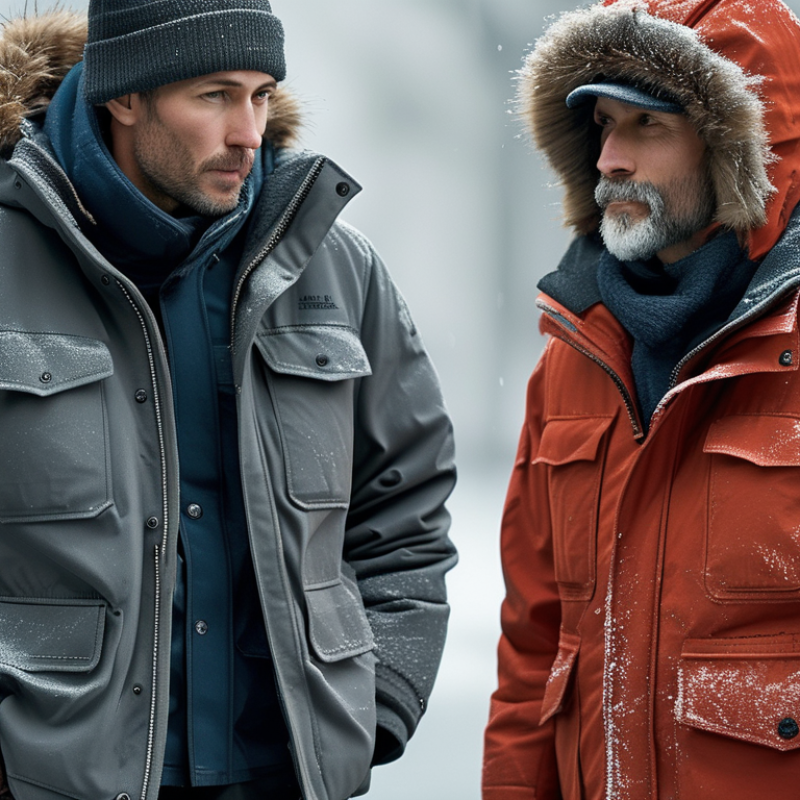
How to Choose the Best Winter Items for Global Buyers?

Define the Needs of Different Winter Markets

Choosing winter items for global buyers starts with climate, not the calendar. A thick coat may suit northern Canada, yet feel excessive in coastal Britain. Buyers should map temperature, wind, snow, humidity, and indoor heating before selecting materials. Dry, deep cold favors insulated layers and wind-resistant shells. Wet winter markets need water-repellent surfaces, quick-drying linings, and secure hoods. Humid cold is different. Breathability may matter more than bulk.

Consumer routines also shape demand. Urban commuters may prefer lightweight jackets for crowded trains. Families in snowy regions often need durable trousers, reflective details, and easy-care fabrics. Older users may value simple fasteners and warmth around the hands and neck. In milder markets, customers often choose versatile layers instead of one heavy item. Color, sizing, packaging, and storage space should reflect local habits.

A reliable buying process combines field feedback with measurable tests. Check thermal performance, seam strength, colorfastness, zipper operation, and wash behavior. Ask local distributors to review samples during real weather, not only in showrooms. One common mistake is treating a whole country as one climate. Coastal and inland cities can need different products. I would also question forecasts based only on last winter. Unusual weather can distort demand. Product claims should remain clear, evidence-based, and consistent with local labeling and safety requirements.

Assess Essential Features in Winter Products

Choosing winter products for global buyers starts with examining essential features, not attractive packaging. A warm coat should balance insulation, breathability, weight, and movement. Excessive insulation can cause sweating during indoor travel. Weak breathability may leave the wearer cold later.

Check fabric density, seam quality, zippers, cuffs, and hood adjustment. Water resistance matters, but it does not equal full waterproof protection. For gloves, inspect palm grip and finger flexibility. For boots, examine outsole traction, lining softness, and toe space. Small details often decide comfort.

Temperature ratings deserve careful attention. They may change with activity level, layering, humidity, and personal tolerance. I once trusted a thick lining too quickly. The product felt warm indoors but restricted movement outside. That experience changed my inspection process. I now test winter items through simple movements, moisture checks, and repeated opening and closing. Not every test is perfect.

Global buyers should also review size measurements, care instructions, material composition, and packaging durability. Clear labels reduce misunderstandings across markets. Products should remain usable after washing and storage. Folded sleeves, crushed insulation, or unclear instructions can create avoidable complaints. Ask suppliers for sample testing and realistic performance data. A beautiful sample is not enough. Real use reveals the weaknesses.

Compare Materials, Performance, and Product Safety

Global winter buyers need more than a thick appearance. Material choice affects warmth, weight, drying time, durability, and safety. Down offers excellent insulation, but it loses performance when wet. Synthetic filling usually dries faster and provides more consistent protection in humid regions. Wool regulates temperature naturally, while fleece feels soft and dries quickly. Each option suits a different climate and use case.

Warmth is not enough. Test it wet.

During product evaluation, check fabric density, seam strength, zipper quality, and insulation recovery after compression. A jacket that looks warm may flatten after several packing cycles. Gloves should preserve finger movement, not only block wind. Boots need flexible soles, reliable grip, and insulation that remains effective below freezing. Small tests reveal practical weaknesses. A cold room, light rain, and repeated washing can expose them.

Product safety deserves equal attention. Request material composition, colorfastness results, and testing for restricted substances. Review care labels, temperature warnings, drawstring design, and small detachable parts. Documentation should identify the factory, test date, and tested batch. A certificate alone is not proof of consistent quality. I still find that buyers sometimes trust impressive specifications too quickly. That is a mistake worth reconsidering. Compare laboratory results with real-use samples, customer feedback, and clear traceability before placing a large order.

How to Choose the Best Winter Items for Global Buyers?

Compare Materials, Performance, and Product Safety

How to read the chart: Lower thermal conductivity generally indicates better insulation in a dry textile structure, while higher moisture regain can improve comfort but may increase drying requirements. Actual performance depends on fabric density, loft, construction, wind resistance, and finishing treatments.
Material selection
Choose high-loft insulation for cold climates, moisture-tolerant fibers for humid conditions, and durable outer fabrics for wind and abrasion resistance.
Performance checks
Request thermal resistance, water resistance, colorfastness, seam strength, dimensional stability, and washing-performance test results.
Product safety
Confirm applicable flammability, chemical-restriction, labeling, drawstring, and small-parts requirements for every destination market.

Indicative textile-property values compiled from commonly reported dry-fiber and textile ranges. Values vary by blend, structure, moisture level, and test method. Buyers should validate the finished product through destination-market testing, including applicable requirements such as 16 CFR 1610, EN 14878, ISO 13688, ISO 3758, and EU REACH restrictions.

Evaluate Suppliers, Costs, and Global Shipping Requirements

How to Choose the Best Winter Items for Global Buyers?

Evaluate Suppliers, Costs, and Global Shipping Requirements

In practical sourcing work, supplier evaluation should begin with winter performance, not attractive product photos. Request material specifications, insulation details, size charts, and recent quality records. Ask for physical samples. A jacket that feels warm indoors may fail in wet, windy conditions. Check stitching, zippers, lining, and wash durability carefully. Supplier experience with export packaging also matters. Moisture damage can ruin cartons before they reach a warehouse.

Compare the complete landed cost, not only the factory quotation. Include sampling, tooling, packaging, freight, insurance, duties, and destination handling fees. A low unit price can become expensive after urgent air shipping. Confirm the minimum order quantity and payment schedule. Currency changes may also affect the final budget. Small mistakes here are surprisingly costly.

Shipping requirements differ by product and destination. Confirm the correct customs classification, required product information, labeling rules, and seasonal delivery deadlines. Ask suppliers for carton dimensions, gross weight, pallet details, and production lead time. For ocean freight, allow extra time around holiday congestion. For remote markets, check whether the carrier serves the final address reliably. I have seen buyers choose excellent winter goods but underestimate storage space and local delivery delays. That decision was not entirely wrong, but it needed better planning. A simple spreadsheet comparing suppliers, landed costs, inspection results, and delivery risks can expose uncomfortable gaps before purchase orders are placed.

Select Winter Items for Seasonal Demand and Buyer Preferences

Winter demand varies sharply across regions, so product selection should begin with local climate and purchasing habits. Buyers in northern markets may prefer insulated coats, thermal layers, and waterproof footwear. In milder areas, lightweight jackets and soft knitwear often sell better. Check temperature patterns, rainfall, and holiday timing before placing large orders. Weather data helps, but it cannot replace buyer conversations.

Listen closely to wholesale customers. Some prioritize neutral colors and flexible sizing for broad retail appeal. Others request bright tones, extended sizes, or compact items for travel. Materials also influence decisions. Fleece feels warm and affordable, while recycled fibers may attract environmentally aware shoppers. Request fabric samples, test stitching, and inspect zippers before confirming production. Small defects become expensive during peak season.

Sales history can reveal useful patterns. Review last winter’s returns, popular sizes, and weekly sell-through rates. Ask buyers which items received complaints. We once ordered too many heavy sweaters for a mild market, and storage costs reduced the margin. The forecast looked reasonable, but the assumptions were too general. Seasonal demand changes quickly. Leave room for smaller replenishment orders, especially when testing unfamiliar colors or designs. Packaging should also protect garments from moisture during long-distance shipping.

How to Choose the Best Winter Items for Global Buyers? - Select Winter Items for Seasonal Demand and Buyer Preferences
Winter Item Category Typical Use Temperature Key Product Specifications High-Demand Climate Zones Recommended Buying Window Main Buyer Preferences Suggested Size Range Seasonal Demand Priority Important Quality or Compliance Checks
Insulated Winter Jackets Approximately 0°C to -15°C, depending on insulation and layering Water-resistant outer fabric; insulated body; adjustable hood; wind-resistant front closure; inner pocket North America, Northern Europe, Central Asia, Northern China, and high-altitude regions July to September for autumn and winter delivery; earlier for colder markets Warmth-to-weight ratio, clean styling, easy care, adjustable cuffs, and practical pockets Adult XS–4XL; offer extended sizing where local demand supports it High Check seam strength, zipper performance, colorfastness, insulation distribution, and fiber-content labeling
Thermal Base-Layer Tops and Leggings Approximately 5°C to -20°C when worn under additional layers Moisture-wicking fabric; stretch construction; flat seams; close fit; quick-drying performance Cold urban markets, ski regions, outdoor-work markets, and areas with large day-to-night temperature changes June to August for early-season stock; replenishment may continue through winter Soft hand feel, odor control, four-way stretch, low-bulk construction, and machine washability Children 2–14 years; adults XS–4XL High Test stretch recovery, seam comfort, shrinkage, colorfastness, and accurate textile composition labeling
Waterproof Winter Boots Approximately 0°C to -20°C, depending on lining, sole, and activity level Water-resistant or waterproof upper; insulated lining; slip-resistant outsole; reinforced toe and heel Snow regions, wet winter climates, mountainous areas, and markets with frequent freezing temperatures May to August for snow markets; August to October for milder wet-winter markets Traction, lightweight construction, easy cleaning, wide-fit options, and secure ankle support Children EU 24–35; adults EU 36–48, subject to regional sizing standards High Perform outsole slip testing, flex testing, water penetration checks, adhesive inspection, and size grading verification
Fleece and Mid-Layer Pullovers Approximately 5°C to -10°C as a mid-layer Lightweight synthetic fleece; breathable construction; anti-pilling finish; half-zip or full-zip opening Urban markets, hiking regions, schoolwear channels, and transitional-season climates July to September; suitable for both autumn and winter replenishment Low weight, softness, quick drying, layering compatibility, and neutral color choices Children 2–16 years; adults XS–4XL High Check pilling resistance, seam quality, zipper function, shrinkage, and colorfastness after washing
Knitted Hats, Scarves, and Gloves Approximately 0°C to -15°C, depending on thickness and wind exposure Warm knit structure; soft lining where needed; stretch fit; touchscreen-compatible fingertips for selected glove styles Most northern and temperate markets; demand rises sharply in windy and freezing locations August to October; earlier for northern regions and late-season promotional programs Comfort, soft materials, coordinated colors, compact packaging, and unisex styling Children, youth, and adult sizes; gloves should include measured hand-length guidance High Check fiber content, color migration, seam comfort, stretch recovery, and small-part safety for children's products
Waterproof Insulated Gloves Approximately -5°C to -25°C for outdoor use, depending on insulation level Water-resistant outer shell; insulated palm and back; adjustable wrist closure; textured grip area Snow sports markets, cold outdoor-work markets, northern cities, and high-altitude destinations June to September for snow-sport markets; August to October for general winter retail Warmth, dexterity, secure fit, grip, waterproof performance, and reinforced wear zones Children's sizes through adult XXL; provide palm-circumference measurements Medium to High Check water resistance, insulation coverage, palm abrasion resistance, buckle strength, and stitching around fingers
Puffer Vests and Lightweight Insulated Layers Approximately 5°C to -5°C as an outer layer or 0°C to -10°C as a mid-layer Quilted construction; lightweight insulation; packable design; elastic armholes; secure front pockets Temperate cities, travel markets, schoolwear, and regions with mild or variable winters July to September for autumn launch; replenishment commonly continues through November Compact storage, low weight, versatile styling, easy layering, and gender-neutral colors Children 2–16 years; adults XS–4XL Medium to High Inspect quilting consistency, filling migration, zipper strength, wash durability, and accurate care instructions
Thermal Socks Approximately 0°C to -20°C when used with suitable footwear Moisture-managing yarn; cushioned sole; elastic arch support; reinforced heel and toe; non-binding cuff Cold urban markets, workwear channels, hiking regions, and snow destinations August to November; suitable for multipack promotions throughout winter Warmth without excessive bulk, softness, durability, stable fit, and multipack value Children EU 23–35; adults EU 36–48 High Check abrasion resistance, elastic recovery, shrinkage, colorfastness, and fiber-content labeling
Water-Resistant Winter Trousers Approximately 0°C to -15°C for outdoor activities, depending on base layers Water-resistant shell; brushed or insulated lining; articulated knees; adjustable waist; reinforced seat and knees Snow regions, outdoor-work markets, ski areas, and wet winter climates June to September for snow markets; August to October for general outdoor retail Freedom of movement, durable fabric, adjustable fit, easy cleaning, and functional pockets Children 2–16 years; adults XS–4XL with regular and extended inseams where possible Medium to High Check water resistance, seam durability, zipper and snap function, colorfastness, and safety of drawcords

Temperature ranges are indicative planning benchmarks rather than product guarantees. Actual comfort depends on insulation weight, wind, moisture, activity level, layering, and local climate conditions.

Article Source:

Subscribe to our Updates