
Stearylamide Propyl Dimethylamine makes hair care more effective
What is Stearamidopropyl dimethylamine ?
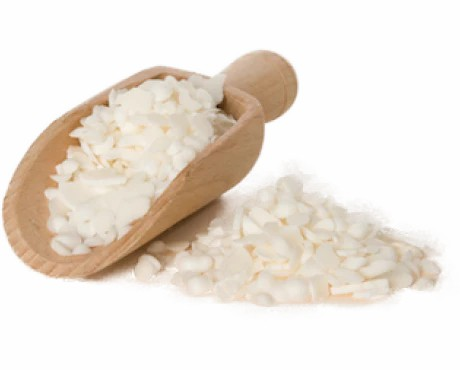
Stearamidopropyl dimethylamine is an emulsifier and a surfactant with cleansing properties which is commonly used in hair care products to condition and improve the appearance of hair. It has been introduced as a substitute for silicones due to the latter's poor biodegradability, while stearamidopropyl dimethylamine itself is biodegradable. This compound typically presents as a yellowish, waxy flake.
What is the Origin of Stearamidopropyl dimethylamine ?
Stearamidopropyl dimethylamine is obtained by mixing together refined vegetable oils with 3,3-dimethylaminopropylamine (DMAPA) and heating the mixture.
What is Stearamidopropyl dimethylamine used for?
Stearamidopropyl dimethylamine is predominantly utilized as an emulsifier and surfactant within the realm of cosmetics, with a particular emphasis on hair care products.
In Hair Care Products:
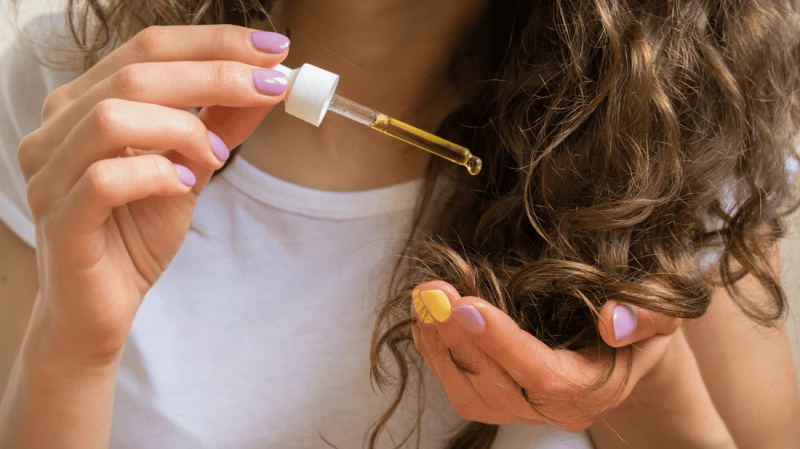
1.Shampoos and Conditioners: It is incorporated into shampoos or hair conditioners primarily because of its antistatic effect. Functioning as a mild surfactant, it effectively eliminates the dirt that accumulates on the hair. Moreover, it endows the hair with a soft and silky texture, thereby facilitating easier combing.

2.Charge Properties and Benefits: Possessing a positive charge, it serves to counterbalance the negative charge induced by shampooing, which is beneficial for the hair. Additionally, it represents a more economical alternative to other conditioners. Notably, it does not inhibit foam formation and can be compatibly used with anionic surfactants, further contributing to the formulation by helping to increase its viscosity.
3.Concentration Range: Generally, it is employed within a maximum concentration range of 0.01% - 5%.
What does Stearamidopropyl dimethylamine do in a formulation?
Antistatic
Emulsifying
Hair conditioning
Surfactant
FAQS
1.What are the uses of Stearamidopropyl dimethylamine?
Application in cosmetics: It is commonly used in hair care products, such as shampoo, conditioner, etc., as an antistatic agent, emulsifier and hair conditioner, which can improve the wet and dry combing properties of hair, give hair a soft feel, increase volume, and repair damaged hair and give hair luster. It can also be used in skin care creams as an emulsifier to make emulsified skin care products give the skin a smooth and silky after-skin feel.
2.How is Stearamidopropyl dimethylamine different from other similar substances?
Compared with other cationic surfactants, Stearamidopropyl dimethylamine has better water solubility and biodegradability, and has a better conditioning effect on hair. It is one of the common substitutes for silicone oil.