

Chemical Raw Materials are the industrial building blocks behind familiar products, from detergent bottles to fertilizer granules and synthetic fabrics. Yet “top” can mean several things: production volume, market value, or importance to downstream manufacturing. The ranking therefore depends on the measure used. It is not a fixed league table.
Cefic’s Facts & Figures 2024 reports that global chemical sales reached about €5.0 trillion in 2023. That figure describes the scale of the industry, not the sales of any single material. The International Energy Agency’s The Future of Petrochemicals (2018) examines how petrochemical feedstocks connect energy markets with plastics, textiles, and other products. Together, these reports offer useful context, but they do not settle every ranking question.
This guide compares ten widely used materials by their industrial role, common applications, and place in major supply chains. It covers familiar building blocks such as ethylene, propylene, methanol, ammonia, and sulfuric acid. Some are feedstocks; others are essential process chemicals. The distinction matters. A material used in smaller quantities may still be difficult to replace, while a high-volume chemical may serve many unrelated industries.
Numbers can mislead. Production estimates vary by year, region, and reporting method, and market prices shift with energy costs and supply disruptions. Readers should treat the list as a practical overview, not a definitive global ranking. That caveat is worth keeping in view.
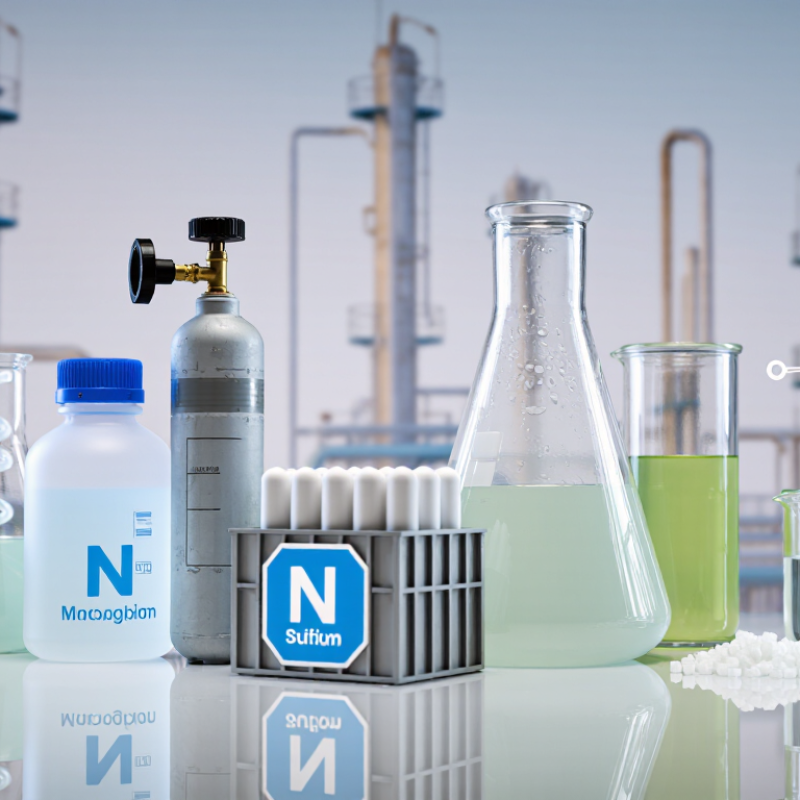
A chemical raw material is a substance used to make, process, or formulate another product. It may be a basic feedstock, such as a mineral salt, or a more refined intermediate used in a reaction. Some materials become part of the finished product; others help control properties such as acidity, strength, or flow. The label depends on how the substance is used, not just its chemical name. Context matters.
A material qualifies when its composition and performance are suitable for a defined process. Buyers and manufacturers typically check specifications, purity, moisture content, particle size, and batch consistency. A small variation can change a coating’s texture or affect how a solution mixes. Storage conditions matter, too: humidity or heat may alter sensitive materials before use. Documentation helps confirm identity and handling requirements. Not every useful chemical is a raw material in every setting. That distinction can be fuzzy. A substance sold as an ingredient in one process may be an intermediate in another, so clear specifications and intended-use records are more useful than a broad label alone.

A “top ten” list of chemical raw materials depends on how “top” is defined. A credible selection method states its criteria instead of presenting a ranking as universal. Analysts may compare annual production volume, market value, and the number of industries a material serves. They should also define product categories clearly. Comparing a single chemical with a broad group can distort the results. Numbers can mislead.
Tips: Check whether a ranking measures tonnage, sales, or strategic importance. Compare materials from the same year and use consistent category definitions. A large market is not automatically the most essential one.
A balanced assessment also considers supply reliability, regional availability, and the material’s role in downstream manufacturing. Data should come from identifiable industry or public sources, with estimates clearly marked. Still, no method is perfect: trade figures may lag, and production data can be incomplete. Rankings can change as demand, technology, and supply conditions shift. A useful list explains its choices and limitations, so readers can judge whether it answers their question.
Chemical raw materials are the building blocks behind fertilizers, plastics, cleaning products, and metals. Sulfuric acid supports fertilizer production and lead-acid batteries. Ethylene is used to make polyethylene, while propylene goes into packaging and synthetic fibers. Ammonia supplies nitrogen for fertilizers. Chlorine helps produce water-treatment chemicals and polyvinyl chloride. Their uses are broad, but each material needs carefully controlled handling.
Sodium hydroxide is important in soap, paper, and pulp production. Methanol serves as a feedstock for resins and other chemicals. Benzene is used to make materials such as resins and dyes, with strict controls needed because exposure can be harmful. Nitrogen provides an inert atmosphere in some industrial processes and is also used to make ammonia. Oxygen supports steelmaking and medical applications. This list is practical, not definitive; local industries and production methods can change which materials matter most.
Tips: Check the grade and purity required for each process. Keep clear labels and follow current safety data sheets. Small details matter. Even familiar materials can behave differently when mixed or heated.
Ten major industrial chemicals, their approximate annual global output, and common uses.
Output figures are rounded indicative estimates in million metric tonnes per year; reported values vary by year and source, and definitions may differ across chemicals.
Ethylene and propylene become packaging films, water pipes, and automotive components. Benzene is an intermediate for resins, synthetic fibers, and detergent ingredients. Methanol feeds formaldehyde and acetic acid production, supporting resins and coatings. Ammonia and phosphoric acid are central to many fertilizer products. Sulfuric acid supports phosphate processing, metal recovery, and lead-acid batteries. Chlorine is used in water treatment and PVC production; caustic soda serves pulp, textiles, and soap manufacturing. Soda ash is essential for glass and many detergents. These links are practical, not exclusive: one material often serves several industries.
The International Energy Agency’s 2018 Future of Petrochemicals report estimated that petrochemical feedstocks represented about 12% of global oil demand and 8% of gas demand in 2017. That scale helps explain why ethylene, propylene, and methanol affect so many everyday supply chains. The U.S. Geological Survey’s Mineral Commodity Summaries 2025 estimated 2024 global phosphate-rock mine output at roughly 240 million metric tons, reflecting fertilizer demand. Scale matters. Yet mined output is not the same as finished chemical supply, and conversion capacity, transport, and product specifications also shape availability. A simple list can hide those constraints.
What Are the Top 10 Chemical Raw Materials?
Supply, Safety, and Environmental Considerations
A practical list includes ethylene, propylene, methanol, ammonia, sulfuric acid, sodium hydroxide, chlorine, benzene, toluene, and phosphate rock. The exact ranking changes by industry and region. Availability depends on feedstocks, energy prices, transport routes, and maintenance at production sites. A port delay can affect deliveries even when a material is plentiful elsewhere. Buyers should check supplier continuity plans, product specifications, and safety data sheets, not just quoted prices.
Each material has distinct handling needs. Acids and sodium hydroxide can cause severe burns, while ammonia and chlorine require carefully managed storage and leak-response procedures. Training, compatible containers, clear labels, and routine inspections reduce exposure risks. Small details matter. A mislabeled drum or blocked eyewash station can turn a routine task into an emergency. Requirements also vary by site, so generic procedures may not be enough.
Environmental impacts begin well before a material reaches a factory. Production may consume substantial energy, water, or fossil-based feedstocks; transport and waste handling add further burdens. Ask suppliers for credible information on emissions, recycled content, and responsible sourcing, then verify it where possible. A lower-impact option may involve longer shipping routes or different process risks. The trade-off is not always obvious, and assessments can be incomplete. I would treat any single “green” label with caution.
| Rank | Chemical | Formula | Common Industrial Roles | Supply Considerations | Key Safety Considerations | Environmental Considerations |
|---|---|---|---|---|---|---|
| 1 | Sulfuric acid | H₂SO₄ | Fertilizers, metal processing, chemical manufacture, and batteries. | Produced mainly by oxidizing sulfur dioxide and absorbing it in water. Availability can be affected by sulfur supply, smelter operations, and industrial demand. | Highly corrosive; contact can cause severe burns. Diluting concentrated acid releases substantial heat, so acid should be added to water—not water to acid. | Releases can acidify water and soil. Emissions controls help limit sulfur dioxide and acid mist from production. |
| 2 | Ammonia | NH₃ | Nitrogen fertilizers, chemical intermediates, and industrial refrigeration. | Made from nitrogen and hydrogen, with hydrogen commonly derived from natural gas or other sources. Supply is sensitive to energy and feedstock costs. | Toxic by inhalation and corrosive to eyes, skin, and respiratory tissue. Refrigerated or pressurized storage requires leak detection and emergency planning. | Manufacturing can be energy- and carbon-intensive. Fertilizer losses can contribute to water pollution, soil acidification, and nitrous oxide emissions. |
| 3 | Ethylene | C₂H₄ | Building block for polyethylene, ethylene oxide, and other chemicals. | Produced chiefly by steam cracking hydrocarbon feedstocks. Supply depends on cracker capacity, feedstock availability, and maintenance schedules. | Extremely flammable gas; it can displace oxygen in confined spaces. Requires leak prevention, ventilation, and ignition-source control. | Production uses significant energy. Fugitive emissions and combustion products should be controlled; ethylene in air can contribute to ground-level ozone formation. |
| 4 | Propylene | C₃H₆ | Used to make polypropylene, propylene oxide, acrylic materials, and other intermediates. | Recovered from steam crackers and refineries or produced through dedicated processes. Availability varies with refinery and petrochemical operating rates. | Highly flammable gas and a potential asphyxiant at high concentrations. Pressurized storage and transfer systems need appropriate safeguards. | Energy use and greenhouse-gas emissions depend on the production route and feedstock. Releases of this volatile organic compound should be minimized. |
| 5 | Methanol | CH₃OH | Feedstock for formaldehyde, acetic acid, fuels, and numerous other chemicals. | Commonly produced from synthesis gas made from natural gas or coal; alternative routes can use biomass or captured carbon with low-carbon hydrogen. | Flammable and toxic by ingestion, inhalation, or skin absorption. Significant exposure can cause blindness, organ damage, or death. | Lifecycle emissions vary widely by feedstock and process. Spills can harm aquatic organisms, so containment and recovery are important. |
| 6 | Sodium hydroxide (caustic soda) | NaOH | Pulp and paper, soap and detergents, water treatment, and chemical processing. | Usually made by electrolysis of brine in the chlor-alkali process, which also produces chlorine and hydrogen. Production is electricity-intensive. | Strongly corrosive and capable of causing severe skin and eye burns. Dissolving or diluting it generates heat. | Uncontrolled releases can sharply raise water pH and harm aquatic life. Electricity source and brine-management practices affect production impacts. |
| 7 | Chlorine | Cl₂ | Water disinfection, PVC production, and manufacture of many inorganic and organic chemicals. | Produced mainly by brine electrolysis alongside sodium hydroxide and hydrogen. Because transport is hazardous, production is often located near major users. | Highly toxic by inhalation and corrosive to moist tissue. Releases can form dangerous concentrations quickly; containment and emergency response are essential. | Chlorine and some chlorine-containing compounds can harm aquatic ecosystems. Treatment and use should prevent uncontrolled releases and unwanted by-products. |
| 8 | Benzene | C₆H₆ | Feedstock for styrene, phenol, cyclohexane, and other chemical intermediates. | Recovered mainly from petroleum refining and petrochemical processes. Supply is linked to refinery operations and demand for related products. | Carcinogenic and highly flammable. Exposure can occur through inhalation or skin contact, so closed handling and exposure monitoring are important. | Volatile emissions contribute to air pollution; spills can contaminate soil and groundwater. Vapor control and spill prevention are key safeguards. |
| 9 | Urea | CO(NH₂)₂ | Widely used nitrogen fertilizer and a feedstock for resins and other products. | Manufactured from ammonia and carbon dioxide. Supply is closely tied to ammonia production, natural-gas availability, and seasonal fertilizer demand. | Generally a low-hazard solid under normal handling, but dust may irritate. Heating or decomposition can release ammonia and other irritating gases. | Excess fertilizer can lead to nitrate runoff, eutrophication, and nitrous oxide emissions from soils. Efficient application reduces losses. |
| 10 | Phosphoric acid | H₃PO₄ | Phosphate fertilizers, food processing, metal treatment, and chemical manufacture. | Most is made by treating phosphate rock with sulfuric acid. Supply depends on mineral reserves, mining, processing capacity, and transport. | Concentrated acid is corrosive and can cause severe eye and skin injury. Safe transfer, compatible materials, and protective equipment are required. | Mining and processing generate waste streams, while phosphate releases can promote eutrophication. Responsible mine management and wastewater treatment help reduce impacts. |
| Cookie | Duration | Description |
|---|---|---|
| cookielawinfo-checkbox-analytics | 11 months | This cookie is set by GDPR Cookie Consent plugin. The cookie is used to store the user consent for the cookies in the category "Analytics". |
| cookielawinfo-checkbox-functional | 11 months | The cookie is set by GDPR cookie consent to record the user consent for the cookies in the category "Functional". |
| cookielawinfo-checkbox-necessary | 11 months | This cookie is set by GDPR Cookie Consent plugin. The cookies is used to store the user consent for the cookies in the category "Necessary". |
| cookielawinfo-checkbox-others | 11 months | This cookie is set by GDPR Cookie Consent plugin. The cookie is used to store the user consent for the cookies in the category "Other. |
| cookielawinfo-checkbox-performance | 11 months | This cookie is set by GDPR Cookie Consent plugin. The cookie is used to store the user consent for the cookies in the category "Performance". |
| viewed_cookie_policy | 11 months | The cookie is set by the GDPR Cookie Consent plugin and is used to store whether or not user has consented to the use of cookies. It does not store any personal data. |
| Key Principles | Criteria |
| Environment |
|
| CSR Policies and Reporting |
|
| Social Investment Programmes |
|
| Key Principles | Criteria |
| Quality of Product |
|
| Quality of Factory |
|
| Quality of Management |
|
| Key Principles | Criteria |
| Monitoring and Control |
|
| Management |
|
| Key Principles | Criteria |
| Global Presence |
|
| Logistical Assets |
|
| Terminal Handling |
|
| Key Principles | Criteria |
|
Tapping and Field Latex |
|
|
Concentrated Latex Processing, Handling & Storage and Shipping |
|
|
Laboratory & Chemical Handling |
|
|
EHS Management System |
|
| Key Principles | Criteria |
|
Monitoring and Mitigating Key Impacts |
|
|
Social Responsibility |
|
|
Social Investment |
|
| Key Principles | Criteria |
|
Security Controls |
|
|
Security Certification |
|
| Key Principles | Criteria |
|
Quality of Raw Material |
|
|
Quality of Process |
|
|
Quality of Management |
|
| Key Principles | Criteria |
| Certified Team |
|
| Technical Expertise |
|
| Key Principles | Criteria |
| International Standards and Certification |
|
| Customised Products |
|
| Testing |
|
| Key Principles | Criteria |
| Security Controls |
|
| Security Certification |
|