

China Top 10 SDIC Disinfectant Manufacturers?

China’s SDIC Disinfectant industry has become an important part of global hygiene supply chains. Chinese manufacturers serve hospitals, food plants, farms, hotels, and municipal water systems. Their products commonly use sodium dichloroisocyanurate, known for measurable available chlorine and practical storage.

Grand View Research estimated the global disinfectants market at approximately USD 7.4 billion in 2023. Its report also projected continued growth through 2030. Market estimates vary, however. Different reports use different product categories and regional definitions. That uncertainty deserves attention.

The World Health Organization continues to link effective disinfection with safe water, sanitation, and hygiene. Dr. Maria Neira, WHO’s public-health expert on environmental health, has stated, “Safe water, sanitation and hygiene are crucial for protecting human health.” This principle gives SDIC Disinfectant its practical importance, but chemistry alone is not enough. Contact time, available chlorine, pH, packaging, and user training all affect performance.

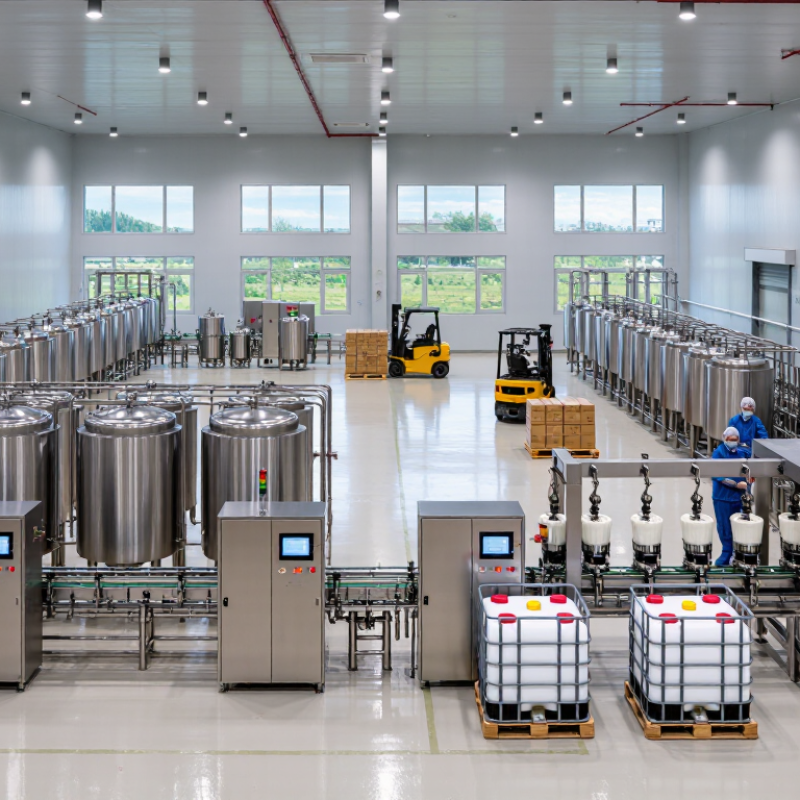
This guide reviews China’s top 10 SDIC Disinfectant manufacturers through a buyer-focused lens. It considers production capacity, quality systems, export experience, technical documentation, and application support. Factory photographs can look impressive. They prove little without batch records and testing evidence.

A ranking is never perfect. Some supplier claims remain difficult to compare publicly. Buyers should verify certificates, test reports, and chlorine concentration independently. A low price may hide weaker stability, limited support, or inconsistent granulation. The strongest manufacturers combine reliable production with clear instructions and responsive technical service.
China Top 10 SDIC Disinfectant Manufacturers?

What Is SDIC Disinfectant and Why Is It Widely Used?

SDIC disinfectant, or sodium dichloroisocyanurate, releases available chlorine when dissolved in water. Its compact tablets and granules are easy to store, transport, and measure. This matters in factories, clinics, swimming pools, and emergency water treatment. The WHO Guidelines for Drinking-water Quality identify chlorine as a practical disinfectant because it controls many harmful microorganisms and leaves measurable residual protection.

Demand is also linked to water-access pressure. The WHO/UNICEF Joint Monitoring Programme reported that 2.2 billion people lacked safely managed drinking water in 2022. SDIC is not a magic powder. Its performance depends on concentration, contact time, water temperature, pH, and organic matter. A 2023 technical review in the Journal of Water and Health noted that chlorine demand can rise sharply in turbid water. Users may then underestimate the required treatment. That mistake deserves more attention.

Tips: Check the label’s available-chlorine percentage before dosing. Dissolve the product fully, and test residual chlorine with a calibrated kit. Never mix SDIC with acids or ammonia-based cleaners. Keep it sealed, dry, and away from heat. For drinking-water applications, follow local regulations and qualified professional guidance.
China Top 10 SDIC Disinfectant Manufacturers? — What Is SDIC Disinfectant and Why Is It Widely Used?

Sodium dichloroisocyanurate (SDIC) is a stabilized chlorine disinfectant commonly used for drinking-water treatment, swimming pools, food-contact sanitation, healthcare environments, and surface disinfection. Its popularity comes from reliable chlorine release, good water solubility, convenient storage, and broad antimicrobial activity.

The chart compares the molar masses of the two principal SDIC chemical forms. The anhydrous form contains no crystal water, while the dihydrate form contains two water molecules in its crystal structure. Commercial SDIC products are commonly supplied as powders, granules, or tablets, with specifications selected according to the intended disinfection application.

How to Evaluate China’s SDIC Disinfectant Manufacturers

China Top 10 SDIC Disinfectant Manufacturers: How to Evaluate Them

A top-ten list is only a starting point. Evaluate each SDIC manufacturer through documented production experience, technical control, and consistent customer service. Check whether the factory produces sodium dichloroisocyanurate regularly, rather than trading products from unknown sources. Request recent product specifications, safety data, batch records, and certificates from recognized testing bodies. A professional supplier should explain available chlorine, moisture, particle size, and storage conditions clearly.

Factory verification adds useful evidence. Review production lines, quality laboratories, raw material control, and packaging procedures. Ask for independent testing of several batches, not only one sample. Compare the results with the supplier’s certificate of analysis. Stable results matter more than an attractive price. Packaging should protect the product from heat and moisture, especially during long-distance transportation. Communication also reveals reliability. Slow replies and vague answers can become costly later. However, paperwork alone is not proof of quality. That is an easy mistake to make.

Tips: Ask for a sample, then request a second batch later. Compare odor, appearance, dissolution, and test results. Confirm minimum order quantities, lead times, labeling options, and complaint procedures in writing. Visit the facility when practical, or use a qualified third-party inspection service. Keep a written supplier scorecard. A lower score may still reflect limited data, not poor manufacturing. Recheck it after actual orders.

China Top 10 SDIC Disinfectant Manufacturers? - How to Evaluate China’s SDIC Disinfectant Manufacturers

No. Evaluation Dimension What to Verify Recommended Benchmark Weight Acceptable Evidence
1 Regulatory and Product Compliance Whether the SDIC product and production facility comply with applicable Chinese disinfectant requirements. Valid production and hygiene documentation, product filing or registration where applicable, and compliance with relevant Chinese standards. 15% Official certificates, product technical documents, inspection reports, and regulatory records.
2 Available Chlorine Assay Declared available chlorine content and consistency between batches. The assay should match the agreed product specification; common SDIC grades are approximately 55% or 60% available chlorine, depending on the product. 15% Recent third-party test reports, batch COAs, and independent titration results.
3 Purity and Impurity Control Control of moisture, insoluble matter, cyanuric acid-related impurities, and other specified contaminants. Results should remain within the agreed specification and show stable performance across at least three production batches. 10% Batch COAs, full specification sheets, and laboratory test data.
4 Dissolution and Tablet Performance Dissolution speed, tablet hardness, friability, dust generation, and storage stability. Performance should meet the buyer’s application requirement without excessive residue, crumbling, or abnormal odor. 10% Finished-product test reports, dissolution data, retained samples, and application trials.
5 Quality Management System How the manufacturer controls raw materials, production, testing, nonconformities, and traceability. A functioning ISO 9001-based quality system with documented batch traceability and corrective-action procedures. 10% Valid certificate, audit report, process-control records, and traceability samples.
6 Production Capacity and Scalability Ability to supply stable volumes during normal demand and peak periods. Capacity should be supported by production records, equipment information, and a realistic monthly delivery plan. 10% Capacity statement, production schedule, warehouse records, and reference order history.
7 Packaging and Dangerous-Goods Handling Protection from moisture, heat, contamination, and incompatible materials during transport. Moisture-resistant packaging, correct hazard communication, and transport documentation suitable for an oxidizing chlorine product. 10% SDS, packaging specifications, UN transport information where applicable, and packaging inspection records.
8 Export Documentation Ability to provide documents required by the destination market and logistics provider. Complete and consistent SDS, COA, commercial invoice, packing list, certificate of origin, and shipping documents. 8% Redacted export document samples and records from previous international shipments.
9 Technical Support and Customization Support for dosage guidance, private-label packaging, tablet sizes, and application-specific requirements. Written technical support, controlled artwork approval, and documented change-management procedures. 6% Technical data sheet, sample-development records, response-time commitments, and approved packaging proofs.
10 Commercial Reliability and Total Cost Total landed cost, payment terms, lead time, minimum order quantity, and consistency of quotations. Compare at least three written quotations using the same assay, packaging, delivery terms, and inspection requirements. 6% Formal quotation, lead-time record, payment terms, inspection clause, and landed-cost calculation.
Total Evaluation Weight 100% Use verified documents and product samples before final supplier selection.
Scoring guidance: Score each dimension from 0 to 5. Multiply the score by the stated weight, then compare the weighted totals. A higher score should not replace independent verification of regulatory status, available chlorine content, safety documentation, and batch quality.

China’s Top 10 SDIC Disinfectant Manufacturers

China’s Top 10 SDIC Disinfectant Manufacturers are usually compared by product consistency, production capacity, and export experience. SDIC, or sodium dichloroisocyanurate, is widely supplied as tablets, granules, and powder. These formats support water treatment, sanitation programs, and industrial cleaning applications.

The leading ten manufacturers generally operate dedicated chlorine-based production lines. They test available chlorine, moisture, dissolution time, and tablet hardness. Reliable factories keep batch records from raw material intake to final packing. Some provide sealed drums, lined bags, or customized labels for overseas buyers. A practical factory visit should include warehouse checks, laboratory reviews, and a discussion with production engineers. Certificates alone are not enough.

Ranking these manufacturers is not completely simple. Public information can be incomplete, and production capacity may change during peak seasons. That weakness deserves attention. Buyers should compare recent test reports, factory audit results, minimum order quantities, and delivery records. They should also confirm whether the supplier controls formulation, granulation, and packaging internally. Small details matter. A strong supplier explains handling requirements clearly and provides a usable safety data sheet. Experienced buyers may request independent testing before a large order. Even then, results can vary between batches, so continued inspection remains sensible.

Product Quality, Certifications, and Production Capabilities

China’s top SDIC disinfectant manufacturers should be judged by evidence, not rankings alone. Sodium dichloroisocyanurate products need stable available chlorine, controlled moisture, and consistent dissolution. A reliable factory normally tests raw materials, active content, pH, particle size, and storage stability. Ask for recent batch records and a complete certificate of analysis.

Certifications can support trust, but their scope matters. Look for valid ISO 9001 quality systems, ISO 14001 environmental management, and ISO 45001 workplace safety certification. Depending on the target market, regulatory registrations, transport documents, and technical files may also be required. Verify certificate numbers with the issuing body. A certificate on a website is not enough. Production capacity should include dedicated reaction equipment, controlled drying, automated packing, and traceable batch coding. Clear capacity figures are useful, though some suppliers present ideal output rather than practical output.

Tips: Request samples from different batches, not one sample only. Check the seal, label, odor, and dissolution time after delivery. Ask how rejected batches are isolated. Visit the plant if possible. Even experienced buyers can overlook humidity control during shipping. That small detail can affect product performance. Also compare lead times, packaging options, emergency production plans, and after-sales technical support before selecting a supplier.

How to Select the Right Chinese SDIC Supplier

China Top 10 SDIC Disinfectant Manufacturers?

Selecting a Chinese SDIC supplier requires more than comparing prices or online rankings. Confirm the product’s active chlorine content, appearance, solubility, and stability. Ask for recent certificates of analysis and safety data sheets. These documents should match the exact grade and batch being shipped. A reliable manufacturer can explain its raw material controls, production process, and testing equipment clearly. Vague answers deserve caution.

Visit the factory when possible, or arrange an independent audit. Check storage conditions, moisture protection, packaging strength, and batch labeling. SDIC can degrade when exposed to heat or humidity. Request samples from different production batches, not only one carefully selected lot. Compare dissolution time, odor, and measured chlorine levels under practical conditions. A low quotation may hide inconsistent quality, weak packaging, or delayed delivery. I have found that a polished website proves very little. That lesson is easy to forget.

Tips: Define your required concentration, tablet or granular form, packaging size, and monthly volume before requesting quotations. Verify export experience and communication speed. Ask how complaints, damaged cartons, and replacement claims are handled. Keep written specifications in the contract. Do not depend on certificates alone. Independent testing is safer. Also, review local regulations and labeling requirements with a qualified compliance professional before importation.

Subscribe to our Updates