

Why Choose a Rotary Pouch Packing Machine?

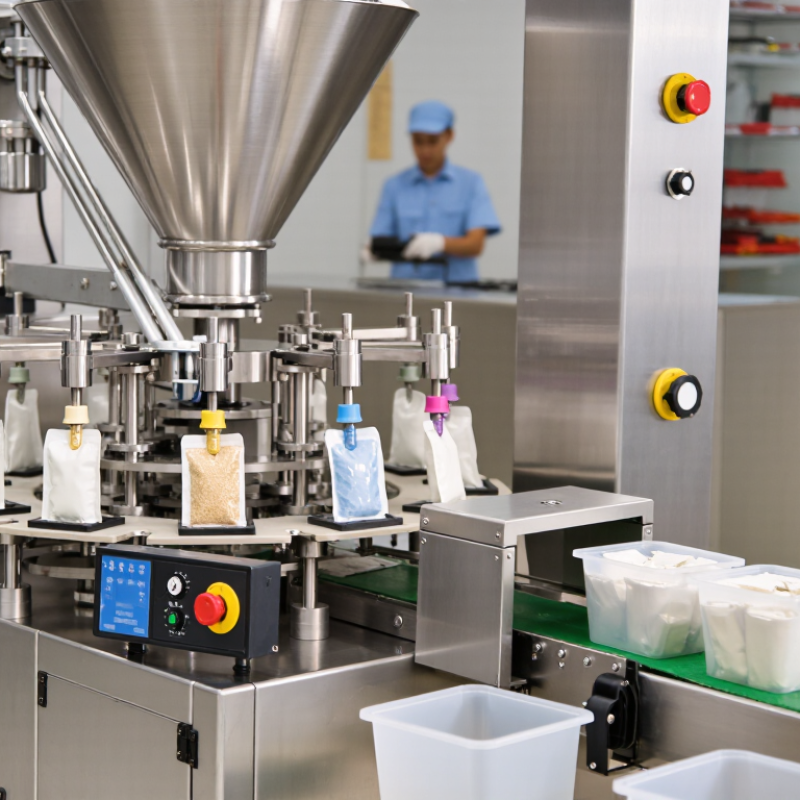
Choosing a rotary pouch packing machine can transform a carefully managed packaging line. It can index pre-made pouches, open them, fill products, seal them, and discharge finished packs with consistent timing. This coordinated movement reduces manual handling and supports cleaner production areas. It also helps manufacturers manage changing pouch sizes, filling volumes, and sealing requirements. In practical trials, operators often notice steadier output and fewer repetitive tasks. Small details matter, such as pouch alignment, seal temperature, air pressure, and sensor accuracy. These factors influence appearance, protection, and production reliability.

A rotary pouch packing machine is not automatically the best choice for every facility. Product characteristics, daily volume, available floor space, and maintenance skills should guide the decision. A dry powder may require different filling equipment than granules, liquids, or delicate pieces. Test realistic materials before approving the machine. Ask suppliers for sample runs, cleaning instructions, spare-parts support, and documented performance data. Inspect seals closely under normal operating conditions. Watch for wrinkles, leaks, dust around sealing areas, or inconsistent weights. These observations reveal more than impressive showroom demonstrations.

A perfect machine does not exist. Even reliable equipment needs trained operators, scheduled maintenance, and careful quality checks. A useful purchase balances speed with safety, flexibility, sanitation, and long-term service. When those factors are reviewed honestly, this packaging solution can deliver measurable value. It may improve consistency without forcing a business into unnecessary complexity. The right decision comes from evidence, not excitement.
Why Choose a Rotary Pouch Packing Machine?

What Is a Rotary Pouch Packing Machine?

What Is a Rotary Pouch Packing Machine?

A rotary pouch packing machine fills and seals pre-made pouches through several stations. These stations sit around a rotating carousel. One cycle may include pouch pickup, opening, filling, sealing, coding, and discharge. The machine can handle powders, granules, liquids, and small solid products. Its value comes from controlled movement, repeatable dosing, and compact floor use.

Smithers’ The Future of Flexible Packaging to 2028 forecasts the global flexible packaging market will exceed US$300 billion by 2028. This growth supports demand for efficient pouch equipment. Rotary systems often suit medium and high-volume production. They can also change pouch sizes with suitable tooling. However, speed is not everything. Poorly aligned pouches, unstable product flow, or weak seals can create waste quickly. In real production, the machine is not magic.

Tips: Test the actual product before purchase. Check seal strength, dust behavior, fill accuracy, and changeover time. Ask for data from a factory trial. PMMI industry reports continue to identify automation, labor efficiency, and equipment flexibility as major packaging priorities. I would also inspect sensor access and cleaning points. Small maintenance details matter.

A reliable setup needs more than a fast carousel. It needs compatible film, accurate filling components, stable air pressure, and trained operators.

Sealing temperature may require adjustment across different materials. That detail is easy to underestimate.

How Does a Rotary Pouch Packing Machine Work?

A rotary pouch packing machine forms, fills, and seals pouches through repeated circular movements. Empty bags are held by grippers on a rotating platform. Each station performs one controlled task.

The cycle usually begins with pouch loading and opening. A sensor checks whether the bag is positioned correctly. The filling system then measures product by weight, volume, or screw rotation. Granules may drop through a timed gate, while powder often uses an auger. Liquid products require careful pump control. The machine then removes excess air when needed and moves the pouch toward sealing jaws. Heat, pressure, and dwell time create the final seal. It sounds simple. It is not always.

During production checks, operators should inspect seal width, pouch alignment, and filling accuracy. A crooked pouch can cause wrinkles, leakage, or product waste. Dust around the sealing area may also weaken the seal. I have found that minor temperature changes can affect packaging results, especially with delicate films. Cleaning schedules, sensor calibration, and sample testing support reliable operation. However, machine speed should not be increased blindly. Faster movement may reduce seal quality or create unstable fills. Rotary pouch packing machines can improve consistency, but correct setup still depends on the product, pouch material, and operator judgment.

Which Products and Pouch Types Can It Handle?

Why Choose a Rotary Pouch Packing Machine?

A rotary pouch packing machine can handle many products when its filling system matches the material. It commonly packs snacks, grains, coffee, powders, sauces, oils, frozen foods, and household products. Suitable pouch formats include stand-up pouches, flat pouches, zipper bags, three-side-seal bags, quad-seal bags, and spouted pouches. The choice depends on product flow, viscosity, particle size, and required fill accuracy.

The global flexible packaging market reached approximately USD 261 billion in 2023, according to Grand View Research’s 2024 market report. This growth reflects demand for lightweight, resealable, and space-efficient packaging. PMMI industry research also identifies flexibility and automation as important machinery trends.

In practice, rotary systems support multiple pouch sizes through adjustable grippers, filling stations, and sealing temperatures. Powder products need dust control. Liquid products need anti-drip filling. Granules need stable feeding, or weight variation may appear.

A practical evaluation should begin with real samples, not a brochure.

Test the actual pouch film, product temperature, moisture, and target weight. Vacuum pouches may require stronger sealing control. Zipper pouches need accurate opening before filling. Spouted pouches can demand specialized filling nozzles.

No machine handles every product perfectly. That assumption causes expensive changes later.

Even experienced operators can overlook static electricity or product bridging. A short production trial often reveals more than specifications alone.

What Are Its Main Advantages for Packaging Operations?

Why Choose a Rotary Pouch Packing Machine?

What Are Its Main Advantages for Packaging Operations?

A rotary pouch packing machine can improve packaging speed without expanding the production floor. In daily operations, it handles pouch opening, filling, sealing, and discharge in a controlled sequence. Operators can adjust filling volumes, sealing temperatures, and cycle timing from one interface. This helps reduce repetitive manual work and supports more consistent output. The machine also suits different pouch sizes and product types with suitable change parts. That flexibility matters when production schedules change quickly.

Accuracy is another practical advantage. Servo-driven filling systems can deliver measured portions with less product variation. A tighter seal protects contents from moisture, air, and contamination during storage. Clear access points also make inspections easier. Maintenance teams can check heaters, sensors, and sealing jaws without dismantling the whole frame. That saves time. However, results depend on calibration, film quality, and proper operator training. A machine cannot correct poorly prepared materials.

Rotary systems can also improve workplace organization. Fewer loose tools and manual steps create a cleaner packing area. Their compact layout may leave space for labeling or carton handling equipment. In my experience, the fastest machine is not always the most useful one. Difficult changeovers can erase expected gains. Staff should test real products, pouch formats, and cleaning routines before purchase. Small trials often reveal issues that sales specifications miss. Downtime still happens. Planning for it makes the operation more reliable.

Why Choose a Rotary Pouch Packing Machine?

Rotary pouch packing machines use multiple workstations to perform pouch opening, filling, sealing, and discharge in a continuous indexed cycle. The chart shows estimated daily output at common operating speeds, assuming an 8-hour shift and 85% effective operating time. Actual results vary by pouch size, product characteristics, filling method, and changeover requirements.

What Factors Should Guide Your Machine Selection?

Why Choose a Rotary Pouch Packing Machine?

Machine selection should begin with the pouch, not the machine brochure. Product texture, bulk density, moisture, and dust levels affect filling accuracy and sealing. A powder may require auger dosing, while snacks often need multihead weighing. A 100-gram pouch can behave very differently from a 1-kilogram format.

Production data also matters. The Flexible Packaging Association reported approximately $39.8 billion in United States flexible packaging sales in 2023. Meanwhile, PMMI’s 2024 industry research identifies labor availability, automation, and operational efficiency as major packaging priorities. These trends support rotary systems, but speed alone should not decide the purchase. Check the required output, pouch dimensions, seal width, and realistic changeover time. A machine rated at 60 cycles per minute may perform closer to 45 after film adjustments and cleaning.

Small details matter. Ask for factory trials using your actual product and packaging film. Measure rejected pouches, not only average output. Confirm whether operators can reach the sealing station safely and clean the dosing area without special tools. Review data logging, spare-part access, training, and local technical support. Total cost includes electricity, compressed air, film waste, maintenance, and downtime. The cheapest quotation can become expensive quickly. I would also challenge one common assumption: a larger rotary platform is not always better. It may consume more space and complicate changeovers. A smaller, well-matched machine can deliver steadier production, although that conclusion should be tested against future volume forecasts and product expansion.

Subscribe to our Updates