
10 Best Rubber Processing Machines for Global Buyers

Rubber Processing is not a single machine or a fixed recipe. It is a connected production line, from mixing and milling to shaping and curing. Each stage affects the next. A poorly dispersed compound may leave streaks on a mill sheet; an unsuitable extruder can produce an uneven profile. Small details matter.

Rubber pioneer Charles Goodyear wrote, “I am not discouraged, because every wrong attempt discarded is another step forward.” His words capture the patience behind process development, though they are not a machine-buying rule. Buyers still need measurable evidence. Compare output capacity, temperature control, roll or screw design, energy use, maintenance access, and compatibility with the intended compound. Ask suppliers for trial data, service plans, and references from comparable production lines. Brochures are useful, but they are not proof.

This guide introduces 10 Best Rubber Processing Machines for Global Buyers, covering equipment used for mixing, shaping, finishing, and curing. The right choice depends on the product, batch size, operator skills, and available utilities. A compact two-roll mill may suit development work, while a continuous line could better serve steady, high-volume production. No machine wins in every setting. Some specifications also look impressive until daily cleaning, changeovers, or spare-parts delays enter the picture. Use the list as a practical starting point, then verify each option against your actual process and production targets.
10 Best Rubber Processing Machines for Global Buyers

Rubber Processing Machines and Their Role in Manufacturing

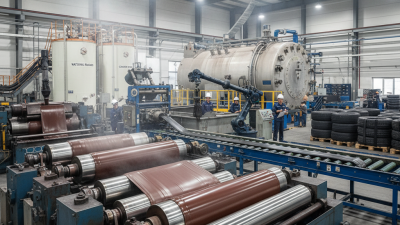
Rubber processing machines turn raw elastomers and additives into compounds and finished parts. An internal mixer blends ingredients under controlled heat and pressure. Operators monitor temperature, mixing time, and rotor load because uneven dispersion can affect later steps. A two-roll mill helps refine and sheet the compound, while an extruder forms continuous profiles such as seals or tubing. Calenders produce sheets with more consistent thickness. Vulcanizing presses apply heat and pressure to shape and cure molded components. Heat matters. Each machine has a distinct role, but the result depends on how well the stages work together.

For global buyers comparing equipment, production volume is only one consideration. Check the available controls, changeover needs, operator training, and access to routine maintenance. A compact line may suit varied products, while a high-output setup can reduce handling between stages. Still, a polished specification sheet does not prove that a machine fits a particular compound or factory layout. Ask how temperature is measured, how settings are recorded, and what support is available for troubleshooting. Small details count. Even a minor inconsistency in feeding or cooling can create extra scrap, and real production rarely behaves as neatly as a test run. Reliable equipment supports repeatable work, but skilled operators and clear process checks remain essential.

10 Rubber Processing Machines: Typical Temperature Windows

Indicative material or process temperatures in °C. Actual settings vary with the rubber compound, product, and production method.

Temperature windows are general reference ranges, not machine specifications. Buyers should confirm operating requirements with equipment suppliers and validate settings for their specific compound and process.

Key Stages of Rubber Processing and the Equipment Used

Rubber processing turns raw bales into compounds and finished parts through several connected stages. At receiving, a bale cutter reduces dense blocks into manageable pieces. A weigh scale helps operators keep ingredient amounts consistent. Clean, consistent feed matters.

During mixing, an internal mixer combines rubber with fillers, oils, and other specified ingredients. Its rotors generate heat, so temperature and mixing time need close attention. A two-roll mill can refine the compound or help disperse small additions. The compound may still look uneven, even when the batch record appears correct. That is worth checking, not guessing. A strainer then pushes warm rubber through a screen to catch foreign particles and unmixed material.

Shaping equipment depends on the product. Extruders form hoses, seals, and other profiles through a shaped die; calenders press rubber into controlled-thickness sheets. For molded components, a compression press applies heat and pressure inside a mold. Continuous curing lines suit long products, while batch presses offer more flexibility for varied runs. Timing matters. After curing, trimming tools remove excess material, and inspection equipment checks dimensions, surface flaws, and hardness. No setup is perfect. A fast line can increase output, but may leave less room to correct inconsistent feed or temperature drift.

10 Best Rubber Processing Machines for Global Buyers

For global buyers, the right rubber processing machine depends on the product, batch size, and local utilities. An internal mixer handles compound preparation; a two-roll mill supports blending and sheet-off. Extruders form continuous profiles, while calenders produce controlled-width sheets. For molded parts, compare injection molding machines with compression presses, considering mold changes and curing time. Tire lines need specialized building and curing equipment. There is no universal winner.

The International Rubber Study Group’s World Rubber Industry Outlook estimated global rubber demand at about 31 million tonnes in 2024. That scale makes uptime, energy use, and repeatable mixing important purchasing criteria. Ask suppliers for trial-run records, temperature-control tolerances, and spare-parts lead times. A machine that looks fast on paper may struggle with your actual compound. Check that operators can safely access cleaning points and emergency stops.

Recycling needs a different shortlist: bead-wire removal, shredders, granulators, and fine screens. ETRMA’s 2021 end-of-life tyre report recorded a 95% recovery rate in Europe, including material and energy recovery; results vary by market. For crumb rubber, inspect screen samples for particle consistency and steel or textile contamination. Small detail. I would still request a production trial using your feedstock, because worn tyres and mixed batches can behave unpredictably. Compare installed power, water or cooling needs, and service availability before choosing a line.

10 Best Rubber Processing Machines for Global Buyers

The machines below cover common stages of rubber processing. Specifications and suitability vary by material, product, process, and machine configuration; compare suppliers’ technical data for the intended application.

Machine Type Main Function Typical Materials or Products Key Specifications to Compare Common Applications
Internal Mixer (Banbury-Type Mixer) Disperses fillers and other ingredients into rubber in a closed mixing chamber. Natural rubber, synthetic rubber, carbon black, silica, oils, and compounding ingredients. Chamber volume, rotor design, drive power, ram pressure, temperature control, and batch discharge method. Tire compounds, industrial rubber goods, and other high-volume compound preparation.
Rubber Kneader Mixes and kneads rubber compounds using intermeshing or tangential rotors in an enclosed chamber. Rubber and elastomer blends, fillers, pigments, and processing additives. Working capacity, rotor configuration, temperature-control method, mixing cycle, and cleaning access. General rubber compounding, masterbatch preparation, and specialty elastomer processing.
Two-Roll Mixing Mill Blends, warms, sheets, and refines rubber through adjustable rotating rolls. Uncured rubber compounds and elastomer blends. Roll diameter and working length, roll speed ratio, nip adjustment, cooling capacity, and safety stops. Small-batch mixing, compound finishing, laboratory work, and sheet preparation.
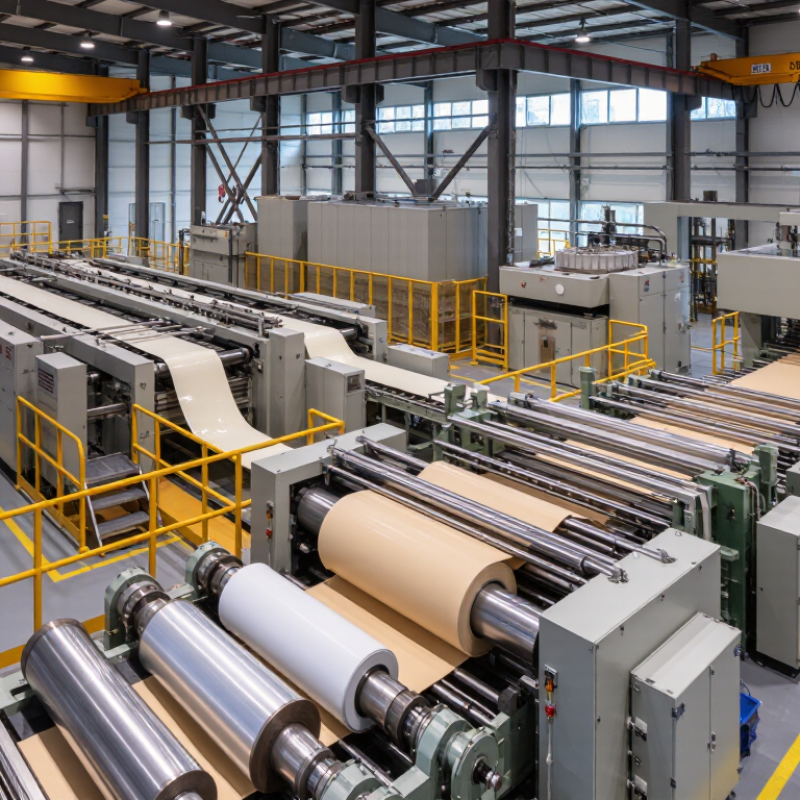
Rubber Calender Forms rubber into a continuous sheet or coats fabric and other reinforcement materials. Rubber compounds, textile fabrics, and cord or reinforcement layers. Number and arrangement of rolls, working width, roll temperature control, line speed, and thickness tolerance. Rubber sheeting, coated fabrics, conveyor-belt plies, and tire components.
Rubber Extruder Forces compound through a shaped die to produce a continuous profile or strip. Uncured rubber compounds, including compounds formulated for extrusion. Screw diameter and design, output range, head and barrel temperature control, die options, and feeding method. Hoses, seals, gaskets, tubing, tread profiles, and other continuous-section products.
Rubber Vulcanizing Press Applies heat and pressure to cure rubber in a mold. Molded uncured rubber compounds and rubber-to-metal components. Clamping force, platen dimensions, opening daylight, heating method, pressure control, and automation options. Molded seals, bushings, pads, grommets, and other cured rubber parts.
Rubber Curing Autoclave Cures suitable rubber products using controlled heat and pressure in a vessel. Products and assemblies designed for batch autoclave curing. Vessel dimensions, working temperature and pressure, heating medium, control system, and applicable safety certification. Large or assembled rubber products, including certain hoses, rollers, and industrial components.
Rubber Batch-Off Cooling Line Cools, separates, and conveys hot rubber sheets after mixing or milling. Hot rubber compound sheets and batches. Cooling method, line speed, sheet width, dipping or anti-tack system, and take-off arrangement. Compound handling between mixing and downstream storage or processing.
Tire Building Machine Assembles prepared tire components into a green tire before curing. Tire plies, beads, belts, sidewalls, and tread components. Tire size range, building-drum configuration, component feeding, automation level, and changeover requirements. Passenger, commercial, or other tire production, depending on machine configuration.
Rubber Cutting Machine Cuts rubber bales, sheets, or strips to specified sizes for feeding or production. Natural rubber bales, synthetic rubber blocks, and uncured compound sheets. Cutting force, blade type, maximum material dimensions, feed method, and guarding and safety controls. Raw-material preparation, batch weighing, and compound feeding operations.

Machine Specifications, Applications, and Performance Factors

Rubber-processing machines should be compared by the material they handle, their working range, and the consistency they deliver—not by motor power alone. The International Rubber Study Group’s 2024 World Rubber Industry Outlook projected global rubber demand would rise 2.3% to 30.4 million tonnes in 2024. That scale makes reliable throughput important, but buyers should match capacity to their own production plans. Oversized equipment can waste energy and floor space.

For mixing mills, check roll diameter, usable length, speed ratio, cooling, and emergency-stop access. A mill may look adequate on paper yet struggle with heat removal during long runs. Small details matter. Internal mixers need a stated chamber volume, rotor design, batch cycle, and temperature-control range. For extruders, compare screw diameter and length-to-diameter ratio with the compound and target output; ask suppliers to demonstrate stable pressure and temperature under representative conditions. Calenders need roll-width and thickness-tolerance data, plus clear procedures for roll heating and alignment.

Ask for measured output, energy use per kilogram, and maintenance intervals, not just rated capacity. Test with your own compound where feasible. A supplier’s performance sheet may reflect ideal conditions. That is worth questioning. Installation, operator skill, and feed consistency can all change results, so include training and service access in the specification review.

How to Select Equipment for Production Needs and Market Requirements

Choosing rubber processing equipment starts with the product, not the machine catalogue. A tire compound, molded seal, and rubber sheet can require different mixing, forming, and curing conditions. List compound types, batch sizes, target tolerances, and expected shifts before comparing machines. Small details matter. Uneven feeding or unstable temperatures can create scrap, even when rated output looks impressive. Ask suppliers for operating ranges and trial data using a formulation close to yours.

Market requirements shape equipment choices too. Check the local power supply, floor space, ventilation, operator skills, and maintenance access. Verify applicable product, workplace-safety, and environmental requirements with qualified local specialists; these can vary by market. Do not rely on a brochure alone. Review cycle time, energy use, cleaning needs, and spare-part availability, not just purchase price. Downtime may cost more than a modest capacity gap. Still, maximum automation is not always the answer.

Confirm that mixer capacity, mill or extruder output, and curing capacity work as one production line. Request a layout, clear acceptance criteria, and a realistic commissioning plan. Ask operators to assess guarding, changeovers, and access to wear parts. Real shifts reveal awkward steps. A pilot run helps, though it cannot reproduce every production problem. Leave room for uncertainty: demand forecasts and compound behavior can change.

Subscribe to our Updates