How to Choose a Nitrile Rubber Injection Molding Supplier?
Choosing a nitrile rubber injection molding supplier takes more than comparing prices or machine sizes. Nitrile rubber must perform under specific conditions, including contact with oils, repeated compression, temperature changes, and dimensional demands. A seal that looks correct on a sample bench may still swell, harden, or leak after weeks of service. Small details matter.
Injection Molding Nitrile Rubber depends on sound material selection and steady process control. Ask suppliers how they select compounds, manage mold temperature, and monitor part dimensions during production. Request relevant test data, sample parts, and clear explanations of inspection methods. Look for traceable material records and practical experience with parts like yours. Numbers help. So does a direct answer when a process limitation appears.
This guide explains how to assess a supplier’s technical capability, tooling approach, quality systems, and communication before committing to production. It also covers useful questions about prototypes, production changes, lead times, and corrective actions. During a review, compare evidence rather than polished promises: a dimensional report or documented trial can reveal more than a broad claim of expertise. No supplier can remove every risk. Some requirements may also need refinement after real-world testing. A careful selection process will not guarantee a perfect outcome, but it can expose weak points early and support a more reliable working relationship.
Define Nitrile Rubber Injection Molding Requirements
Before comparing suppliers, define what the molded part must do. Specify the oils, fuels, cleaning agents, or outdoor conditions it will encounter. Include operating temperatures, expected pressure, and the required service life. “Oil resistant” alone is too vague; identify the actual fluid and exposure time where possible.
Record the part’s dimensions, critical tolerances, and acceptable flash. Note the required nitrile rubber hardness, color, and any limits on compression set or swelling. A seal with a 2-millimeter wall may need different tooling and process control from a thick vibration mount. Share drawings and expected annual volume, but flag uncertain forecasts honestly. They can affect mold layout and production planning.
Ask how the supplier will check the first molded samples. Useful evidence may include dimensional reports and test results from parts exposed to the specified fluid and temperature. Discuss how cure conditions, material batches, and mold maintenance are controlled. Small details matter. Even so, a drawing rarely captures every real-world fit issue; plan time to inspect trial parts in the assembly and revise requirements if needed.
Assess Supplier Expertise and Production Capabilities
Assessing a nitrile rubber injection molding supplier takes more than checking press size. Ask how its team selects compounds for oil exposure, temperature, and compression set. Request examples of production parts with similar geometry, wall thickness, and tolerance requirements. Then review tooling maintenance, cure-temperature monitoring, and batch traceability. Details matter. A stable process should produce consistent parts across shifts, not just an impressive first sample.
Production capability should be backed by records. Look for documented process windows, inspection plans, and corrective-action procedures. Ask to see recent dimensional results and how the supplier handles out-of-spec parts. Deloitte’s 2024 Smart Manufacturing Survey reported that 92% of surveyed manufacturers expected smart manufacturing to drive competitiveness within three years. For a molding supplier, useful digital controls may include press-cycle records and alarms for temperature or pressure drift. Technology alone proves little; ask how operators use the data.
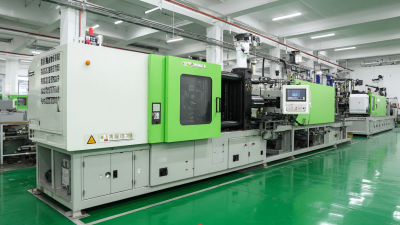
A polished factory tour can still mislead. There is no perfect checklist. Confirm available press tonnage, shot capacity, and mold-change time against your actual part and forecast. Ask who approves compound or tooling changes, and whether pilot runs mirror normal production conditions. A supplier may own capable presses yet lack disciplined process documentation. That gap deserves a closer look.
Review Material Quality and Testing Standards
How to Choose a Nitrile Rubber Injection Molding Supplier?
Review Material Quality and Testing Standards
Nitrile rubber performance depends on acrylonitrile content, cure system, and the oil or fuel involved. Ask suppliers for a technical data sheet and a certificate of analysis tied to each production lot. Check that hardness, tensile strength, and elongation have stated test methods and acceptance limits. A hardness figure without a tolerance is not much help.
Look for test evidence, not just a list of standards. ASTM D412 measures tensile properties, while ASTM D471 evaluates changes after liquid exposure. ASTM D395 Method B commonly uses a 22-hour test at 70°C to assess compression set. For Shore A hardness, ISO 48-4 provides a defined measurement method. A specification such as 70 ±5 Shore A can be useful, but it is only an example; the right target depends on the seal’s load and operating conditions. Standards define methods, not one universal pass value for every NBR compound.
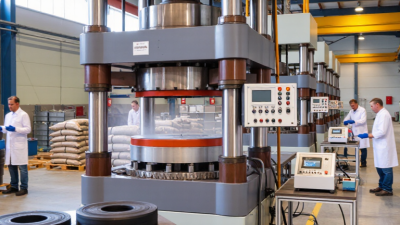
Review samples from actual molded parts, not only laboratory plaques. Ask for results from multiple cavities and recent lots. Inspect for flash, voids, uneven edges, and hardness variation. It is easy to overlook how post-curing or molding conditions affect the finished component. Test reports should state sample conditioning, test temperature, and fluid exposure time. A certificate helps, but it cannot replace a clear sampling plan.
Compare Quality Control, Lead Times, and Costs
When comparing nitrile rubber injection molding suppliers, ask for evidence behind their quality claims. Request material certificates, batch traceability, and inspection records for dimensions, flash, and hardness. Ask how they monitor cure time and manage rejected parts. A stated defect rate means little without its measurement period and product mix. Check whether the supplier can provide first-article samples and process-capability data for critical dimensions. A spreadsheet won't catch everything.
Lead times should separate mold construction, sampling, validation, and repeat production. Ask for dates, not a single optimistic estimate. The Grand View Research Nitrile Butadiene Rubber Market report estimated the global market at about $2.4 billion in 2023, with projected growth through 2030. That growth may intensify competition for materials and production capacity. Confirm resin availability, machine capacity, and what happens if a trial run fails. A small buffer matters.
Compare total cost, not just the quoted unit price. Include tooling, setup, inspection, packaging, freight, and expected scrap. Ask who pays for mold maintenance and how design changes affect charges. Request a quote at your actual order volume, then compare it with a smaller trial run. Low price can hide long lead times or inconsistent inspection. I’ve seen neat cost tables miss one awkward detail: rework.
Verify Compliance and Select the Best-Fit Supplier
Before choosing a nitrile rubber injection molding supplier, define the conditions your parts must handle. List the expected temperature range, contact fluids, hardness, tolerances, and annual volume. A seal exposed to oil needs different material validation from a vibration-damping mount. Ask suppliers to identify the nitrile compound they propose and provide current technical data, batch traceability, and relevant material certificates. Check that certificates match the actual production site, not just the company’s general profile.
Verify compliance with your product’s destination-market and end-use requirements. Request a quality-system certificate, confirm its scope and expiry date, and ask how changes to materials or tooling are controlled. For critical parts, review inspection records and ask for sample measurements from several production runs. A polished certificate is not enough. Records should connect the compound batch, molding parameters, and finished parts. If documentation is incomplete, ask for specific missing evidence rather than accepting broad assurances.
Fit matters beyond compliance. Compare mold maintenance practices, machine capacity, lead times, and the supplier’s process for handling defects. Ask who reviews first-article results and what happens when dimensions drift. A small trial order can reveal practical issues, such as flash around a sealing edge or inconsistent cure. One detail is easy to overlook: communication during a problem. Clear responses are useful, though no supplier gets every decision right on the first pass.