
What is High Cis Polybutadiene and Its Uses?

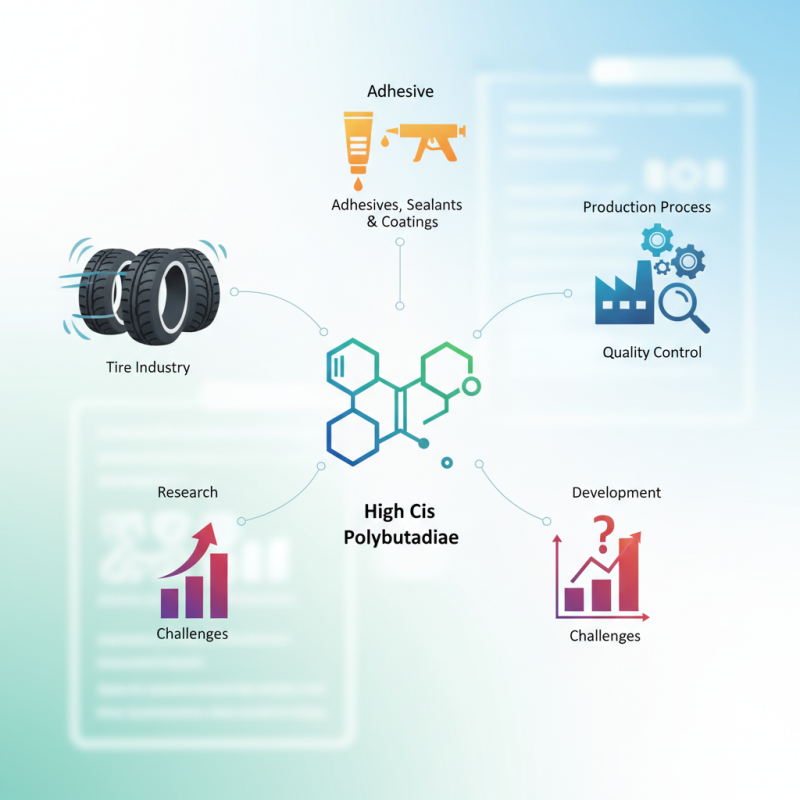
High Cis Polybutadiene is a synthetic rubber known for its excellent properties. It contains over 90% cis configuration, which contributes to its flexibility and resilience. This material is used in various applications, particularly in the tire industry. Many tire manufacturers prefer High Cis Polybutadiene for its superior performance and durability.

In addition to tires, High Cis Polybutadiene finds its way into numerous products. It is utilized in adhesives, sealants, and even coatings. These applications rely on the rubber's strength and resistance to wear. However, despite its benefits, there are challenges to consider. The production process can be complex, and quality control is crucial.

Understanding High Cis Polybutadiene requires a closer look at its characteristics. Not every application may harness its full potential. Some users may not realize the importance of proper processing. While this rubber has many advantages, it is not without its flaws. Further research and development can help address these issues, leading to better applications in the future.
What is High Cis Polybutadiene and Its Uses?

What is High Cis Polybutadiene?

High Cis Polybutadiene is a synthetic rubber known for its elastic properties. It primarily consists of cis-1,4 polybutadiene, which grants it an excellent resilience. According to industry reports, it typically contains over 90% of cis configuration. This feature contributes to its high tensile strength and durability when compared to other polybutadiene grades.

The applications of High Cis Polybutadiene are numerous. It is widely used in the tire industry due to its exceptional wear resistance. A report from the Market Research Future indicates that the global demand for this material in tire manufacturing is projected to reach 5 million tons by 2025. This underscores its significance in producing high-performance tires that improve fuel efficiency. Moreover, it's employed in adhesives and sealants, offering superior bonding capabilities thanks to its unique chemical structure.

However, there are challenges associated with High Cis Polybutadiene. Its processing can be complex and costly. High energy inputs are often required for polymerization. Environmental concerns also arise from synthetic rubber production. Manufacturers face scrutiny regarding sustainable practices. It's essential for the industry to address these issues while meeting the growing demand for this versatile material.
Chemical Structure and Properties of High Cis Polybutadiene

High Cis Polybutadiene (HCPB) is a unique synthetic rubber known for its high cis-1,4 configuration. This structure leads to remarkable properties, making it valuable in various applications. HCPB typically contains over 90% cis content, resulting in superior elasticity and resilience.

The chemical structure of HCPB consists of long hydrocarbon chains. Each repeating unit contributes to its excellent mechanical strength. Studies indicate that the glass transition temperature of HCPB can be as low as -108°C. This allows for great performance in cold weather. The high degree of cis double bonds enhances its resistance to wear and aging, making it suitable for tires. Recent reports suggest the global demand for HCPB is expected to grow at a CAGR of 6% through 2028.

However, HCPB also faces challenges. The manufacturing process can be complex, leading to variability in quality. Environmental concerns about synthetic rubbers persist. Recycling methods for HCPB are still being developed. These factors might impact production costs and sustainability goals. Despite these hurdles, ongoing research continues to refine HCPB applications in industries like automotive and consumer goods.

Manufacturing Processes of High Cis Polybutadiene

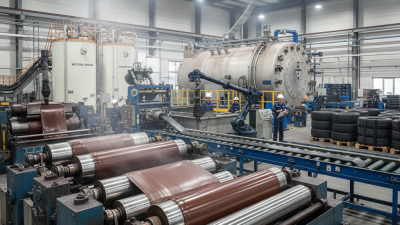
High Cis Polybutadiene is a rubber-like material known for its excellent resilience and low-temperature flexibility. It is primarily produced through anionic polymerization. This process requires precise control over temperature and reaction conditions. The main catalysts used are lithium-based compounds, which initiate the polymerization effectively.

During manufacturing, the monomer, 1,3-butadiene, is cooled to liquefy it. Then, it is polymerized in an inert atmosphere. The process can take several hours. Factors like temperature fluctuations can negatively impact the quality. Thus, maintaining a stable environment is crucial.

Tips: Always monitor the temperature closely during polymerization. Even slight changes can alter the rubber's properties. Do not overlook the importance of a controlled atmosphere; it makes a big difference. Consistency in the process leads to higher quality end products.

Applications of High Cis Polybutadiene in Various Industries

What is High Cis Polybutadiene and Its Uses?

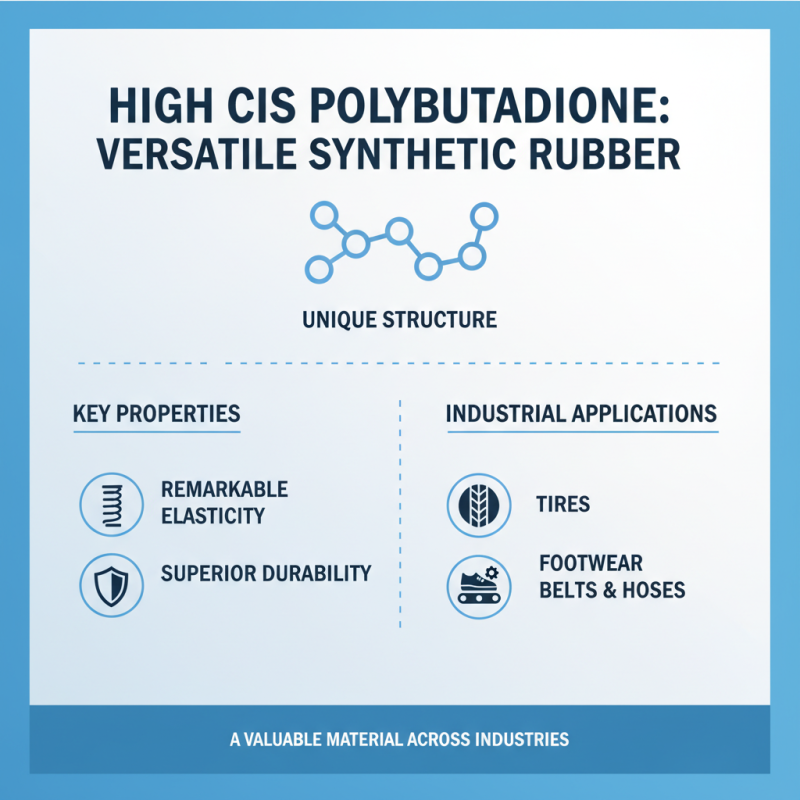
High Cis Polybutadiene is a versatile synthetic rubber. Its unique structure offers remarkable elasticity and durability. This makes it especially valuable in various industries.

In the automotive sector, High Cis Polybutadiene plays a crucial role. It is used in tire production due to its excellent wear resistance. Tires made from this material perform better under different weather conditions. The rubber contributes to improved grip and handling. However, manufacturers often face challenges with consistency in production. This can lead to variations in product quality.

The footwear industry also benefits from High Cis Polybutadiene. Its flexibility and comfort make it ideal for shoe soles. Many consumers prefer shoes made with this material. It enhances the longevity and wear of the sole, offering more value. Yet, some find the production process daunting and time-consuming. Finding balance in efficiency and quality remains an ongoing task.

Advantages and Limitations of High Cis Polybutadiene Usage

What is High Cis Polybutadiene and Its Uses?

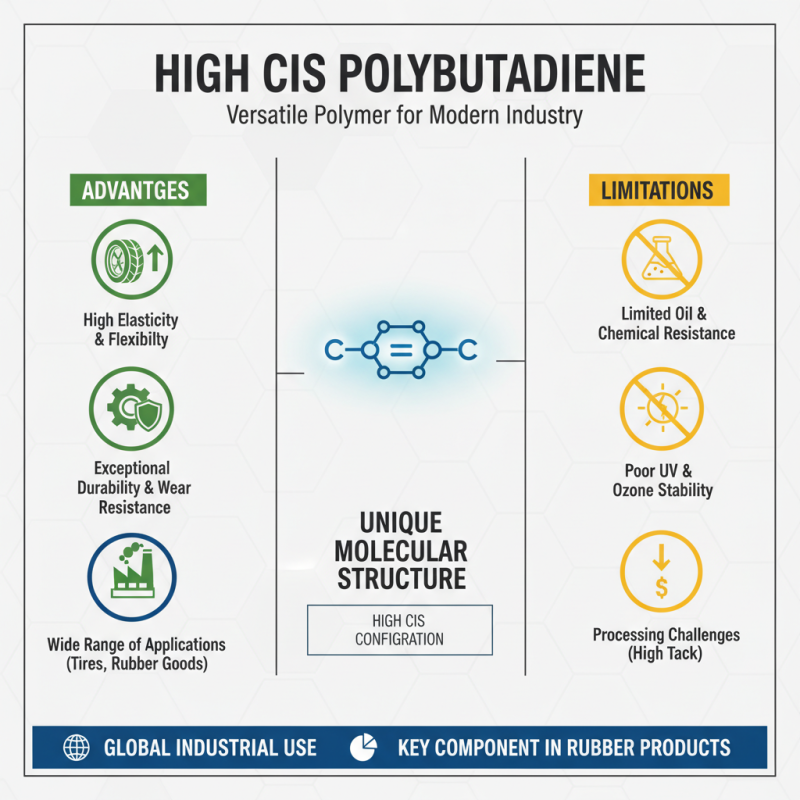
High Cis Polybutadiene is widely used in various industries. Its unique structure allows for high elasticity and durability. This material is especially popular in the production of tires and rubber products. However, the use of High Cis Polybutadiene comes with both advantages and limitations.

One of the main advantages is its superior wear resistance. This makes it ideal for heavy-duty applications. Moreover, it has excellent low-temperature performance. However, the processing of High Cis Polybutadiene can be complicated. This complexity may lead to inconsistent quality. Smaller manufacturers might struggle with these challenges.

Another limitation is its susceptibility to oxidation. This can reduce its lifespan significantly. Not all formulations can overcome this issue. Proper additives can help, but they increase production costs. Users must weigh these factors when deciding on material usage. Balancing performance and budget is crucial. Any oversight might lead to unexpected failures.

Subscribe to our Updates